








Choosing the Right Stop Solenoid: OEM vs. Aftermarket
- Quick Summary: Key Takeaways for Decision Makers
- What is a Fuel Stop Solenoid and Why is Quality Critical?
- The Safety Implication: Preventing Runaway
- Core Function
- OEM vs. Aftermarket: The Honest Cost-Benefit Analysis
- The 5-Year TCO Calculation
- Inside the Build: Material Differences Experts Don't Mention
- 1. Coil Purity: The Copper Standard
- 2. The Sealing Factor
- 3. Spring Tension Mechanics
- The 2-Wire vs. 3-Wire Debate: Reliability Impact
- Understanding the Logic
- Why Aftermarket Units Fail Here
- Expert Tips: How to Spot Counterfeit and Low-Quality Solenoids
- Visual Inspection Clues
- The "Heat Soak" Test
- Industry-Leading Solutions: Balancing Performance and Price
- The Peppa Machinery Advantage
- Rigorous QA Testing
- Conclusion & Call to Action
Quick Summary: Key Takeaways for Decision Makers
Fuel shutoff solenoid reliability is not just about engine starts; it is a critical safety and financial decision. Before committing to a supplier, consider these core differentiators:
- Coil Quality: Virgin copper windings (OEM standard) resist heat soak significantly better than recycled alloy blends.
- Sealing: IP67-rated potting compounds are non-negotiable for heavy equipment operating in wet or dusty environments.
- The Verdict: For critical safety equipment, the "cheapest" option often carries the highest Total Cost of Ownership (TCO) due to downtime risks.
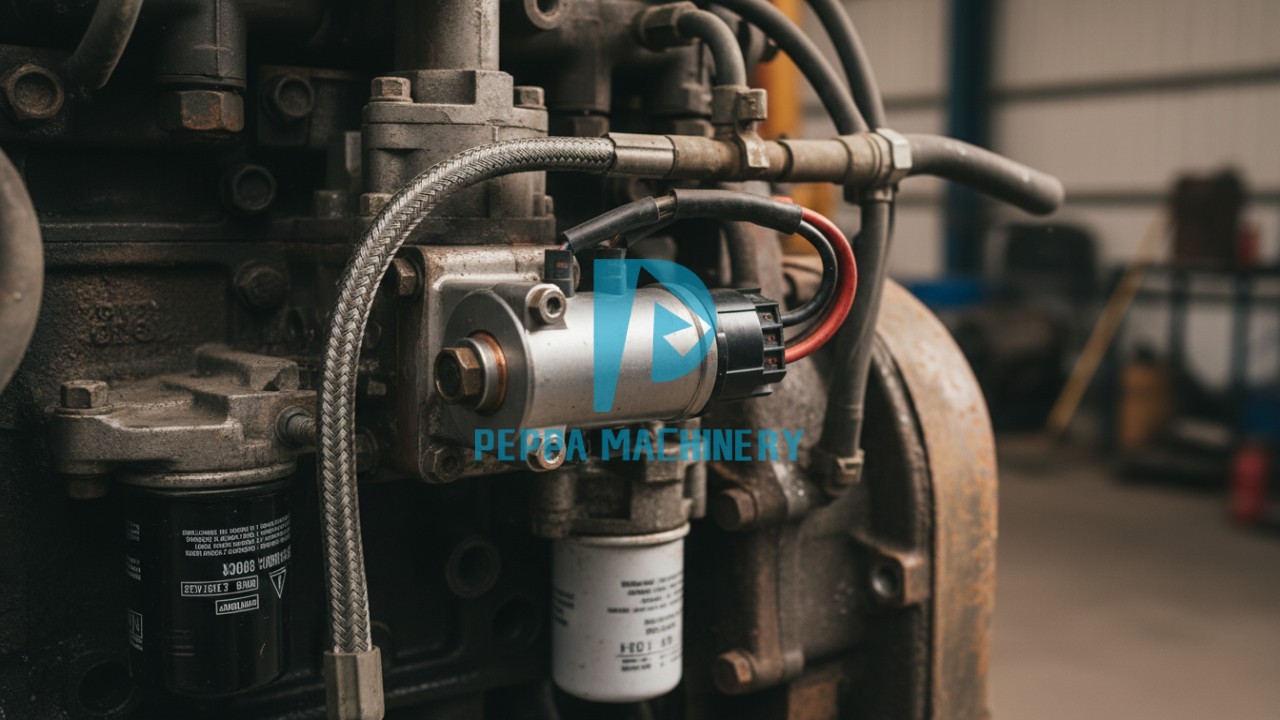
What is a Fuel Stop Solenoid and Why is Quality Critical?
A fuel stop solenoid is an electromechanical valve designed to cut the fuel supply to a diesel engine, ensuring a safe and immediate shutdown. It is the primary diesel engine safety mechanism used to prevent catastrophic mechanical failures.
The Safety Implication: Preventing Runaway
Beyond simply turning off the key, the solenoid acts as the fail-safe against "runaway engines." This occurs when an engine consumes its own lubricating oil or excess fuel, revving uncontrollably until destruction. According to safety alerts from the Government of Ontario, a functioning shutoff system is the only line of defense in these emergencies.
Core Function
- Energize-to-Run: Current holds the plunger open; loss of power cuts fuel (fail-safe).
- Energize-to-Stop: Current drives the plunger to block fuel; requires a timer module to prevent coil burnout.
OEM vs. Aftermarket: The Honest Cost-Benefit Analysis
Original Equipment Manufacturer (OEM) parts are built to the engine's exact engineering specifications, whereas aftermarket construction parts offer a spectrum of quality ranging from near-OEM to dangerous counterfeits. For fleet managers, the decision often comes down to heavy equipment maintenance ROI.
The 5-Year TCO Calculation
Procurement officers often focus on the upfront unit price, but the real cost lies in durability. A $30 generic solenoid that fails every 6 months costs significantly more in labor and downtime than a $120 OEM-spec unit that lasts 5 years.
ROI Factors:
- Downtime Costs: Construction equipment downtime can cost hundreds of dollars per hour.
- Labor: Mechanic hours to diagnose and replace a buried solenoid often exceed the part cost.
- Engine Risk: A seized solenoid can lead to fuel starvation (lean condition) or an inability to stop an overheating engine.
According to market outlooks by the Association of Equipment Manufacturers, maintaining equipment uptime is the single biggest factor in profitability for 2026, making component reliability a strategic priority over minor parts savings.
Inside the Build: Material Differences Experts Don't Mention
Visually, most solenoids look identical. The difference lies in the materials science hidden inside the potting compound.
1. Coil Purity: The Copper Standard
- OEM Standard: Uses NEMA MW 1000 compliant virgin copper. This ensures consistent resistance and heat dissipation.
- Cheap Aftermarket: Often uses recycled copper-aluminum alloys. These have higher resistance, leading to faster heat buildup and eventual coil burnout.
2. The Sealing Factor
- Potting Compounds: High-quality solenoids use flexible epoxy that expands and contracts with engine heat. Inferior units use brittle resins that crack under vibration, allowing moisture to corrode the windings.
- Plunger Plating: Chrome-hardened plungers prevent scoring and sticking, whereas cheap zinc plating wears off, causing friction jams.
3. Spring Tension Mechanics
A weak return spring is a common cause of hard starting. If the spring lacks the tensile strength to snap the fuel rack shut instantly, the engine may stumble or fail to shut down completely.
The 2-Wire vs. 3-Wire Debate: Reliability Impact
Modern heavy machinery often utilizes 3-wire solenoid systems to manage high-amperage startup loads, but solenoid pull coil failure remains a leading maintenance ticket.
Understanding the Logic
- Pull Coil (High Amp): Engages for only 1-2 seconds to retract the heavy plunger. It draws significant current.
- Hold Coil (Low Amp): Once retracted, this low-current coil keeps the plunger in place for hours without overheating.
Why Aftermarket Units Fail Here
In cheap 3-wire systems, the internal timer or external relay often fails to switch from "Pull" to "Hold" fast enough. This keeps the high-amperage coil energized too long, frying the unit within minutes.
Diagnostic Check:
- Use a multimeter to measure resistance.
- Pull Coil: Should read very low resistance (0.5 - 2.0 Ohms).
- Hold Coil: Should read higher resistance (10 - 20 ohms).
Expert Tips: How to Spot Counterfeit and Low-Quality Solenoids
Even if you choose aftermarket to save costs, you must avoid "white box" counterfeits that flood the market.
Visual Inspection Clues
- Connector Casting: Look for flash molding (excess plastic) on the connector pins. This indicates worn-out tooling used by budget factories.
- Labeling: OEM and high-tier aftermarket parts have laser-etched part numbers. Stickers that peel off are a red flag.
- Weight Test: A significantly lighter solenoid indicates less copper wire used in the windings, compromising the magnetic field strength.
The "Heat Soak" Test
Superior solenoids can handle 100°C+ operating temperatures without seizing. To test a new supplier, bench test the solenoid by activating the "Hold" coil for 30 minutes. If it becomes too hot to touch or smells of burning plastic, reject the batch.
Industry-Leading Solutions: Balancing Performance and Price
Finding the middle ground between expensive dealership parts and risky generic units is where specialized suppliers like Guangzhou Peiqi Machinery Equipment CO., LTD (Peppa Machinery) excel.
The Peppa Machinery Advantage
With over 15 years of experience located in the Guangzhou Wholesale Center, Peppa Machinery has curated a supply chain that bridges the gap. By sourcing OEM-spec aftermarket products, they offer fleet managers a solution that meets the rigorous demands of Caterpillar, Komatsu, and Cummins engines without the dealership markup.
Case Study: Reliability in Excavation A regional fleet manager faced recurring shutoff failures on their Komatsu excavators using generic parts. After consulting with Peppa Machinery, they switched to a verified solenoid line tested for high-vibration resistance. The result was a 40% reduction in electrical downtime over 12 months, proving that "verified aftermarket" is a viable category.
Rigorous QA Testing
Top-tier suppliers do not just box parts; they test them. Peppa Machinery ensures that critical components like solenoids undergo:
- Thermal Cycling: Testing operation from -20°C to +120°C.
- Vibration Analysis: Simulating engine mounting conditions.
Conclusion & Call to Action
Selecting the right stop solenoid is a balance of safety, cost, and reliability. Saving $20 on a part today can cost you $2,000 in downtime tomorrow if that part fails during a critical job. Whether you need genuine OEM parts or high-fidelity aftermarket solutions, verifying your source is the most important step.
Contact Guangzhou Peiqi Machinery Equipment CO., LTD today to discuss your specific needs and secure the reliability your fleet deserves.

Isuzu SP 4JG1 4JG2 4JG3 Cylinder Liner 1876182070 1-87618207-0 1876182080 1-87618208-0 1876182100 1-87618210-0
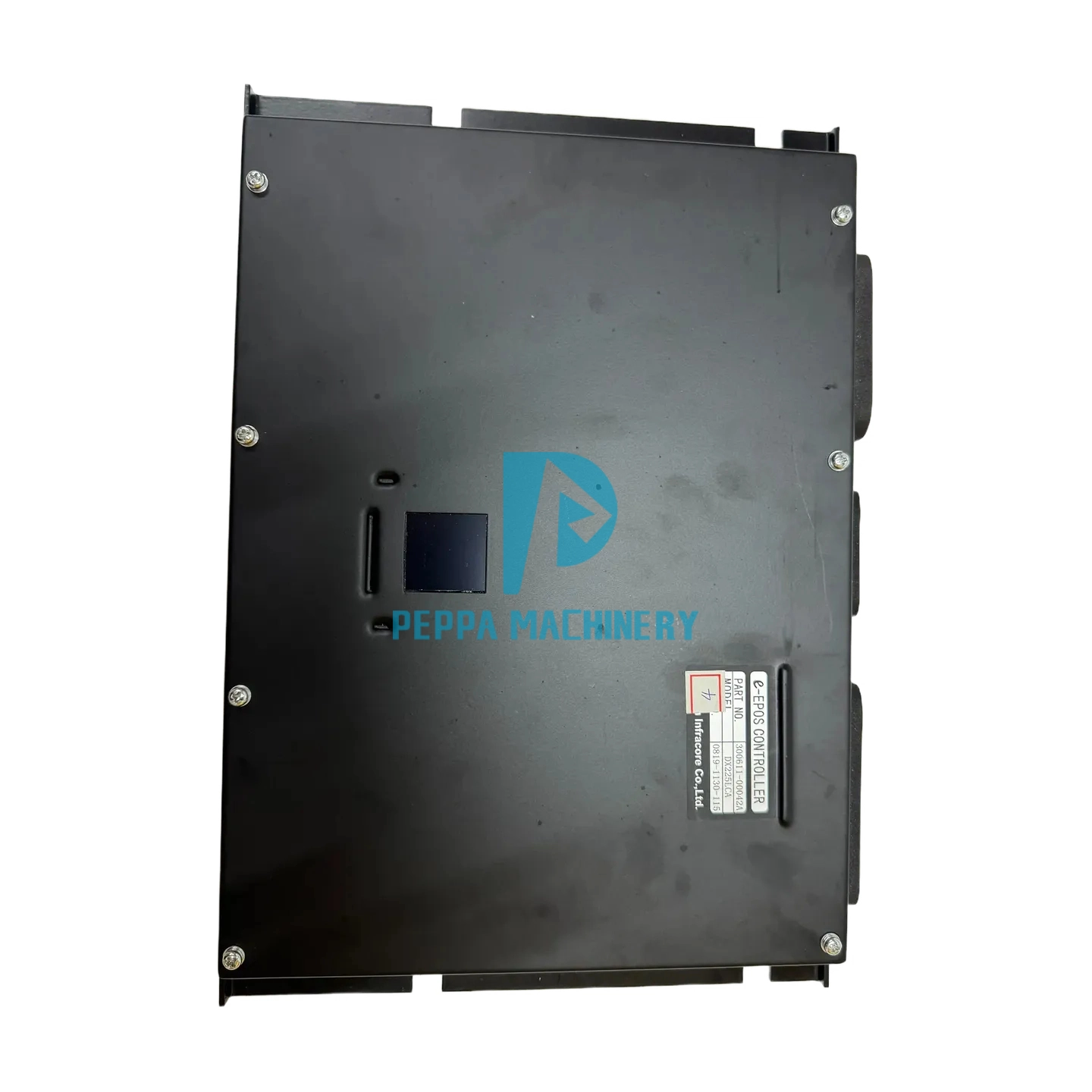
Excavator Accessories Excavator Controller DX225 DX225LCA E-EPOS Controller Computer Board 300611-00042 K1026740 K1001369C K1056425 ECU ECM

Isuzu Engine 6WG1 Turbo 1876183290 1-87618329-0 8981921861 8-98192186-1 14400-4441 1144004370 114400-4370 49188-018312 49188-11940
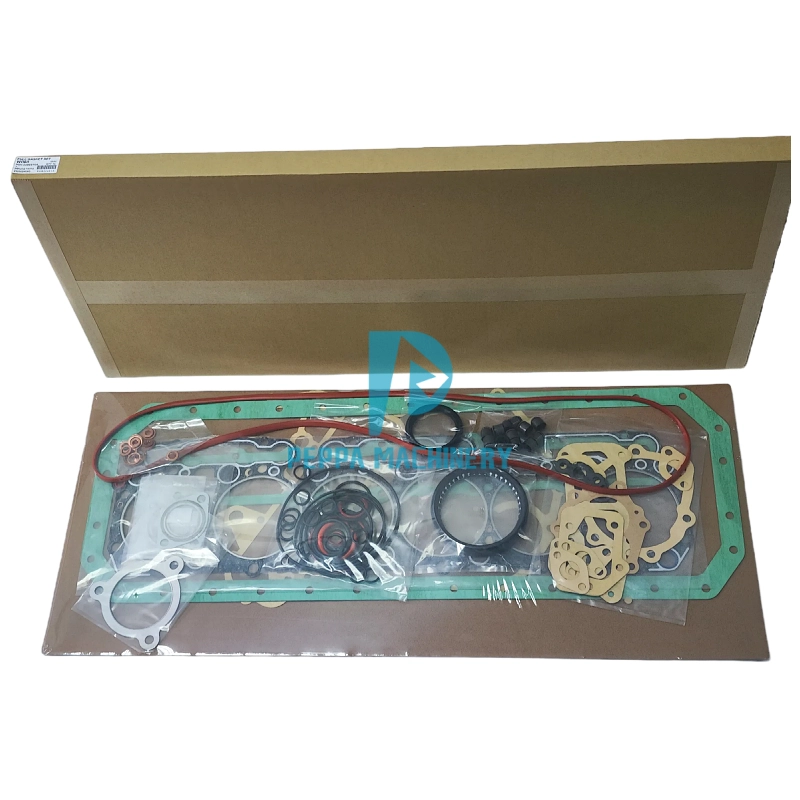
W06D W06DT Engine Overhaul Repair Kit Full Gasket
Excavator Parts
Do you provide technical support or installation guidance?
While we do not offer on-site installation, we can provide basic technical advice, diagrams, or documentation to assist your technicians with installation and troubleshooting.
What brands of excavator parts do you supply?
We supply a full range of parts compatible with major international and Chinese brands, including Caterpillar, Komatsu, Hitachi, Volvo, Doosan, Hyundai, Sany, Liugong, XCMG, Zoomlion, and more.
What types of parts do you mainly offer?
Our main product categories include:
• Engine parts (liner kits, crankshafts, water/oil pumps, etc.)
• Electrical parts (sensors, monitors, throttle motors, wiring harnesses)
• Hydraulic parts (pumps, valves, cylinders)
• Sealing kits (NOK, SKF, PQ brands, floating seals, O-rings)
How can I verify compatibility before placing an order?
Please provide us with your machine brand, model number, and the part number (if available). Our team will double-check the compatibility to ensure you receive the correct parts.
Can I get help choosing the right parts for my machine?
Yes. Our experienced sales team is here to provide professional recommendations and solutions based on your excavator model, part number, or specific requirements.
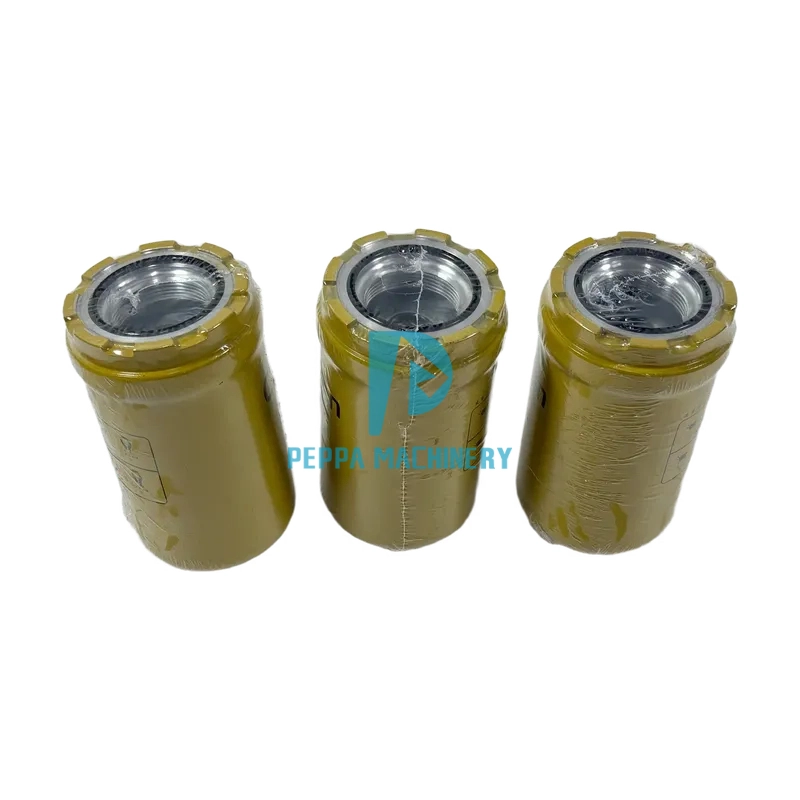
51-8670 Hydraulic Filter Applicable to HF35519 518670 2897836 518670X 1588987 Compatible with Caterpillar 352FVG 325CL
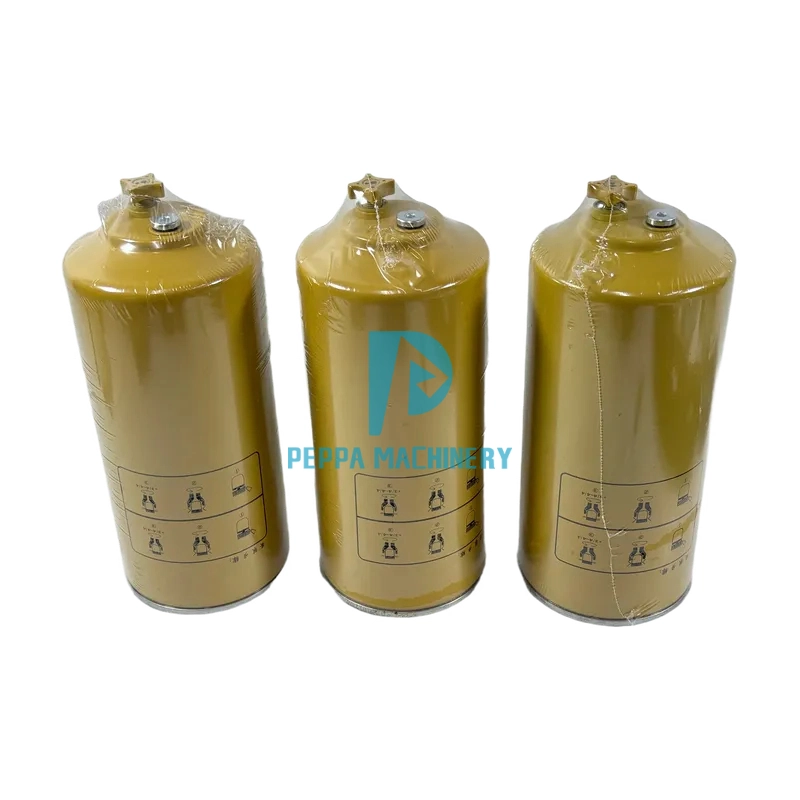
4385386 Fuel Water Separator Fuel Filter 382-0664 Oil-water Separator Hydraulic Oil Filter for CAT 312D2 320D2
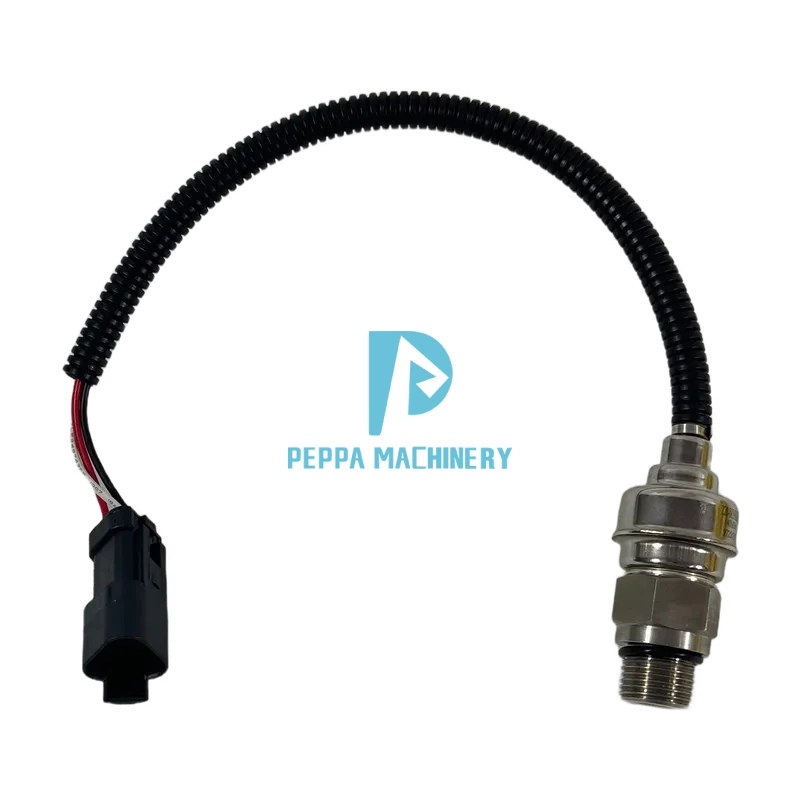
Pressure Sensor 221-8859 106-0178 for Caterpillar CAT 311B 311C 312C 314D 315B 320C 323D 324D 330C 336D 345B 385C
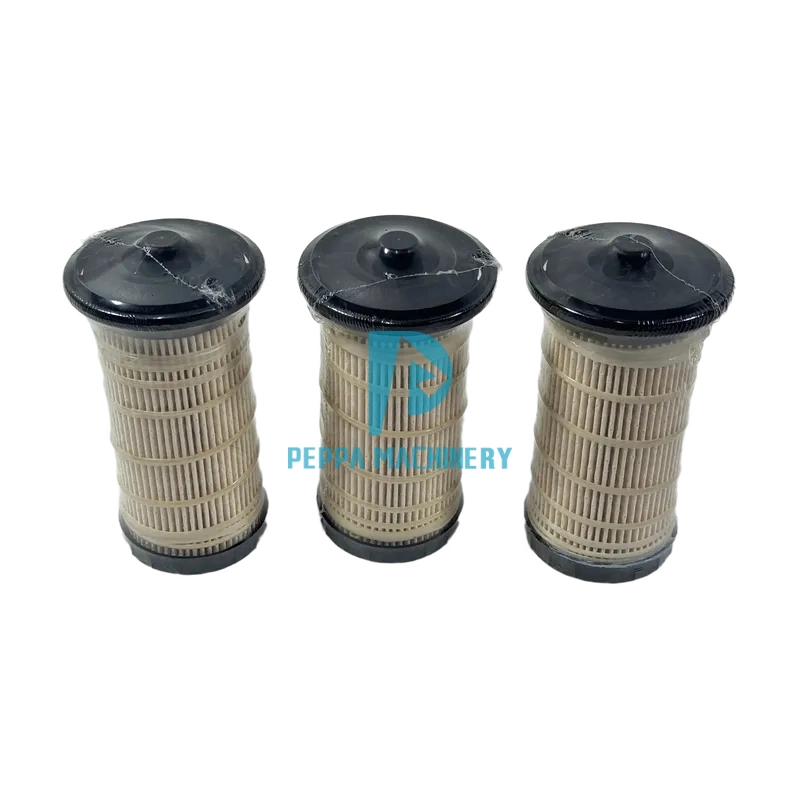
360-8960 Fuel Filter Element for Caterpillar C4.4 & C7.1 Engines | Fits 312D, 320D, 312E, 320E, 326D2, 336D2 Excavators
Get more information
Want to know more? Contact us today to get detailed product specifications, customized solutions, and a free consultation tailored to your needs.
Rest assured that your privacy is important to us, and all information provided will be handled with the utmost confidentiality.

Reliable Source for Quality Excavator Components.
Follow Us
Our Partners


Our Payment Methods


 High Quality
 7/24 Service
 Guaranteed Warranty
 Scan QR Code
Facebook
TikTok
YouTube
Pinterest
Twitter