








Syncing the Heartbeat: How Camshafts and Crankshafts Work Together for Peak Engine Performance
- Quick Summary: The Engine’s Dynamic Duo
- How Do Camshafts and Crankshafts Work Together?
- The Perpetual Loop
- The 2:1 Ratio Explained
- The Anatomy of Motion: Camshaft vs. Crankshaft
- The Critical Link: Timing Belts, Chains, and Gears
- Interference vs. Non-Interference Engines
- Maintenance is Key
- Tuning the Heartbeat: Impact on Horsepower and Torque
- Variable Valve Timing (VVT)
- Expert Tips: Diagnosing Synchronization Failures
- Understanding Code P0016
- Diagnostic Steps
- The Future of Engine Synchronization (2026+ Trends)
- Freevalve Technology
- Conclusion
Quick Summary: The Engine’s Dynamic Duo
The camshaft vs. crankshaft function is the foundation of internal combustion: the crankshaft converts linear piston motion into rotational power, while the camshaft regulates the precise timing of air intake and exhaust. These two components must remain perfectly synchronized to prevent catastrophic engine failure.
- Crankshaft: Located in the engine block, it drives the vehicle’s wheels.
- Camshaft: Located in the head or block, it allows the engine to "breathe."
- Synchronization: Connected by a timing belt or chain at a strict 2:1 ratio.
- Risk: Even a few degrees of misalignment can cause bent valves or total loss of compression.
How Do Camshafts and Crankshafts Work Together?
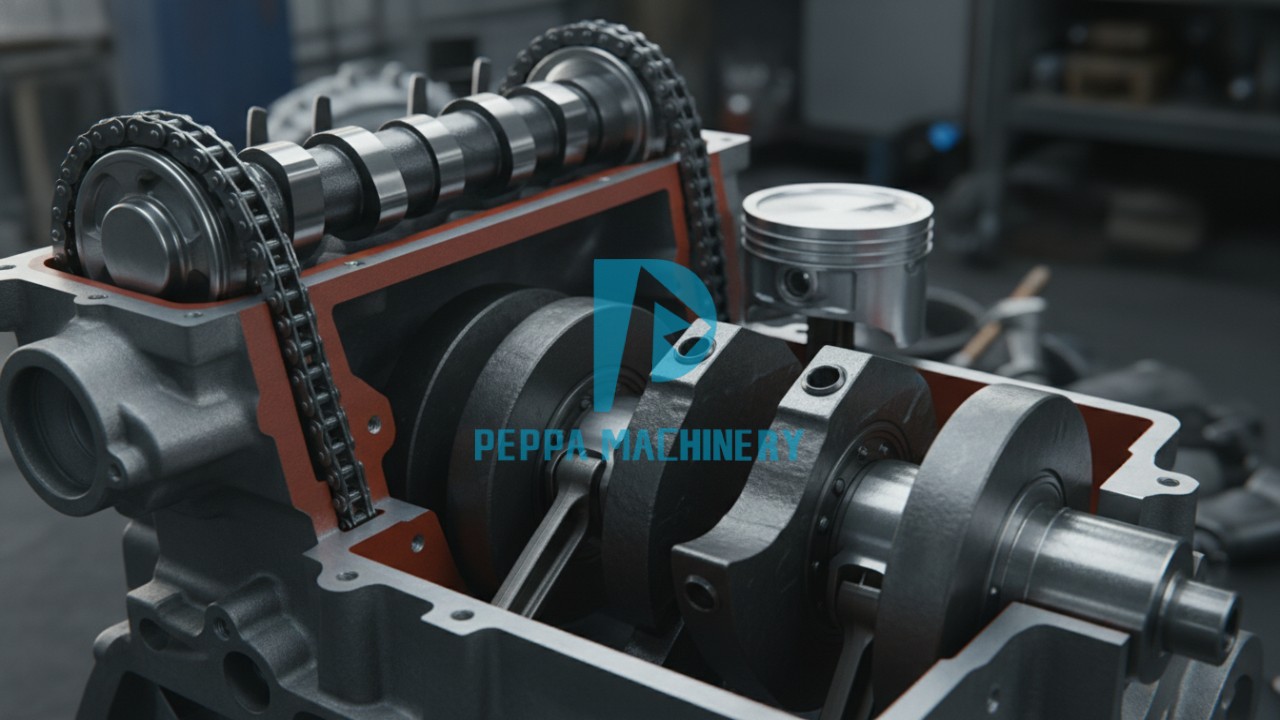
The crankshaft drives the pistons, while the camshaft controls the valves; they work together via a timing belt or chain that ensures the valves open at the exact moment the pistons reach specific positions in the combustion cycle.
The Perpetual Loop
In a standard 4-stroke engine, engine timing synchronization physics dictates that the combustion cycle (intake, compression, power, exhaust) requires two full rotations of the crankshaft (720 degrees) to complete. However, the intake and exhaust valves only need to open once per cycle. This creates a mechanical necessity for a reduction in speed.
The 2:1 Ratio Explained
Because the valves actuate only once for every two crank rotations, the camshaft creates a 2:1 gear reduction. This means the crankshaft spins twice for every single revolution of the camshaft. If this ratio shifts—due to a skipped tooth on a timing belt—the piston may strike an open valve, leading to expensive damage. Research from Michigan State University highlights how this precise mechanical relationship is now being further optimized by electronic controls in modern vehicles.
The Anatomy of Motion: Camshaft vs. Crankshaft
A crankshaft is a heavy, robust component typically forged from steel to withstand massive torque, while a camshaft is often cast iron or billet steel, designed with eccentric "lobes" to push against valve lifters.
At Guangzhou Peiqi Machinery Equipment CO., LTD (Peppa Machinery), we have over 15 years of experience supplying heavy-duty engine components. We see firsthand that while crankshafts usually last the life of the machine, camshafts are more prone to surface wear, affecting the engine's ability to breathe.
| Feature | Crankshaft | Camshaft |
|---|---|---|
| Location | Bottom of Engine (Block) | Top (OHC) or Block (OHV) |
| Primary Role | Power Conversion (Linear to Rotary) | Valve Actuation (Timing) |
| Speed | Full Engine RPM | 1/2 Engine RPM |
| Material | Forged Steel / Cast Iron | Chilled Cast Iron/Billet |
The Critical Link: Timing Belts, Chains, and Gears
The timing component is the physical tether that forces the camshaft to follow the crankshaft's lead, maintaining the "heartbeat" of the engine.
Interference vs. Non-Interference Engines
The stakes of synchronization depend heavily on your engine design:
- Interference Engines: There is no clearance between the valves and pistons at Top Dead Center (TDC). If the timing belt snaps, the piston will collide with the valves.
- Non-Interference Engines: There is sufficient gap between components. A broken belt will stall the engine but typically won't destroy internal parts.
Maintenance is Key
Most manufacturers and the SAE International standards suggest strict intervals for timing belt replacement (typically 60,000 to 100,000 miles). Neglecting this is the most common cause of premature engine death.
Tuning the Heartbeat: Impact on Horsepower and Torque
Altering the geometry of the camshaft lobes—specifically the lift and duration—directly changes the engine's volumetric efficiency and power band.
- Camshaft Lift: How far the valve opens. Higher lift allows more air in, increasing high-RPM power.
- Camshaft Duration: How long the valve stays open. Longer duration moves the power band higher up the RPM range.
Variable Valve Timing (VVT)
Modern engines use variable valve timing mechanics to get the best of both worlds. By using hydraulic or electric phasers, the ECU can slightly rotate the camshaft relative to the crankshaft while the engine is running. This advanced timing allows for better fuel economy at idle and maximum torque under load.
Expert Tips: Diagnosing Synchronization Failures
When the relationship between these two shafts drifts, the first sign is often a Check Engine Light accompanied by crankshaft position sensor symptoms such as stalling or rough idling.
Understanding Code P0016
The most common Diagnostic Trouble Code (DTC) for this issue is P0016: Crankshaft Position - Camshaft Position Correlation. This means the computer sees that the two sensors are out of sync by more than a calibrated threshold.
Diagnostic Steps
- Check Oil Level: Low oil pressure can prevent VVT actuators from working, triggering false synchronization codes.
- Inspect the Sensor: A faulty Hall Effect sensor can send erratic signals.
- Scope the Pattern: Professional technicians use an oscilloscope to overlay the cam and crank waveforms. If the square waves don't line up perfectly, the timing chain is likely stretched.
Our team at Peppa Machinery often advises clients to inspect the timing tensioners when replacing crankshaft sensors, as a loose chain often mimics a sensor failure.
The Future of Engine Synchronization (2026+ Trends)
The future of internal combustion lies in "camless" engines, where pneumatic or electric actuators open valves independently of a crankshaft connection.
Freevalve Technology
Companies are developing engines that remove the camshaft entirely. This allows for infinite control over camshaft lift and duration effects, theoretically allowing an engine to switch between 2-stroke and 4-stroke cycles or deactivate cylinders instantly for maximum efficiency. While traditional synchronization is mechanical, the future is digital.
According to the Department of Energy, advanced combustion strategies enabled by these technologies could improve fuel economy by up to 50%.
Conclusion
The camshaft and crankshaft are the lungs and legs of your vehicle; without their perfect 2:1 dance, your engine cannot function. Whether you are dealing with a simple sensor error or a complex timing chain overhaul, understanding the physics behind their synchronization is the first step to a lasting repair.
Contact Peppa Machinery today to discuss your specific needs for high-quality engine components and overhaul kits.

Isuzu SP 4JG1 4JG2 4JG3 Cylinder Liner 1876182070 1-87618207-0 1876182080 1-87618208-0 1876182100 1-87618210-0
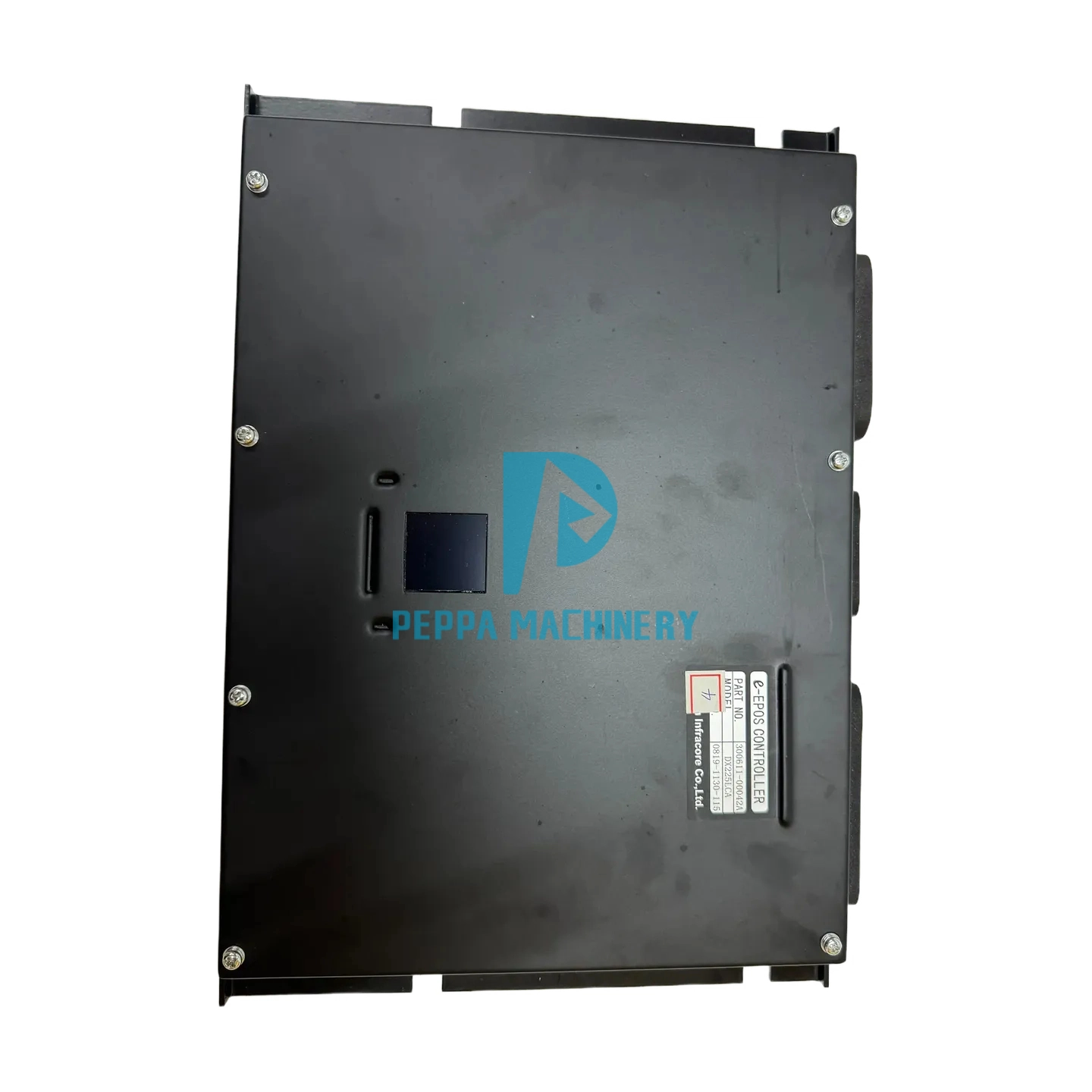
Excavator Accessories Excavator Controller DX225 DX225LCA E-EPOS Controller Computer Board 300611-00042 K1026740 K1001369C K1056425 ECU ECM

Isuzu Engine 6WG1 Turbo 1876183290 1-87618329-0 8981921861 8-98192186-1 14400-4441 1144004370 114400-4370 49188-018312 49188-11940
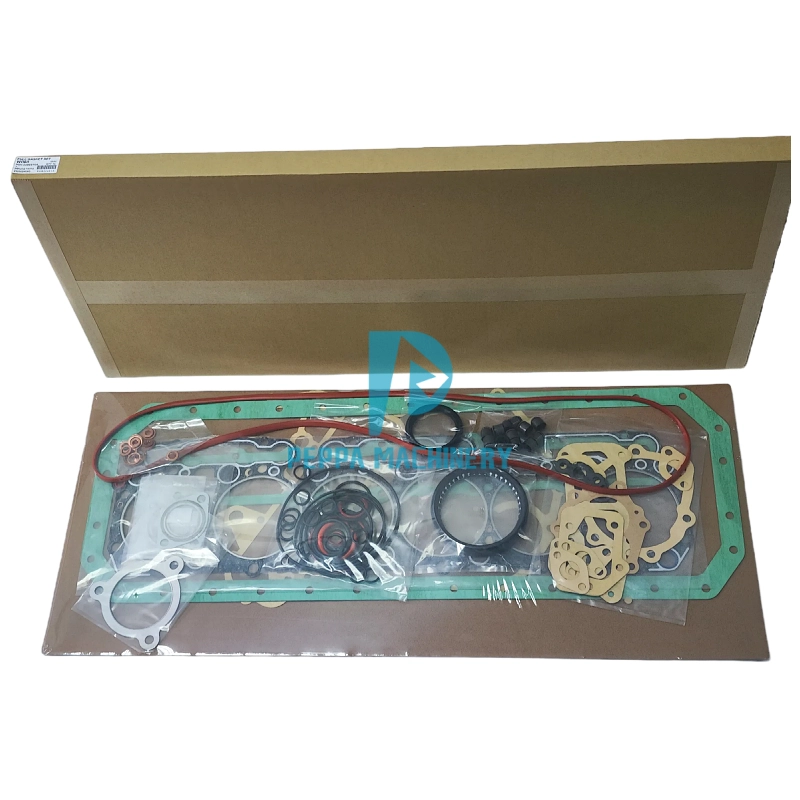
W06D W06DT Engine Overhaul Repair Kit Full Gasket
Excavator Parts
Are your parts genuine or OEM?
We offer both genuine parts and high-quality OEM alternatives. You can choose according to your budget and application needs. All OEM products are tested to meet or exceed original specifications.
Can I get help choosing the right parts for my machine?
Yes. Our experienced sales team is here to provide professional recommendations and solutions based on your excavator model, part number, or specific requirements.
What types of parts do you mainly offer?
Our main product categories include:
• Engine parts (liner kits, crankshafts, water/oil pumps, etc.)
• Electrical parts (sensors, monitors, throttle motors, wiring harnesses)
• Hydraulic parts (pumps, valves, cylinders)
• Sealing kits (NOK, SKF, PQ brands, floating seals, O-rings)
What brands of excavator parts do you supply?
We supply a full range of parts compatible with major international and Chinese brands, including Caterpillar, Komatsu, Hitachi, Volvo, Doosan, Hyundai, Sany, Liugong, XCMG, Zoomlion, and more.
How can I verify compatibility before placing an order?
Please provide us with your machine brand, model number, and the part number (if available). Our team will double-check the compatibility to ensure you receive the correct parts.
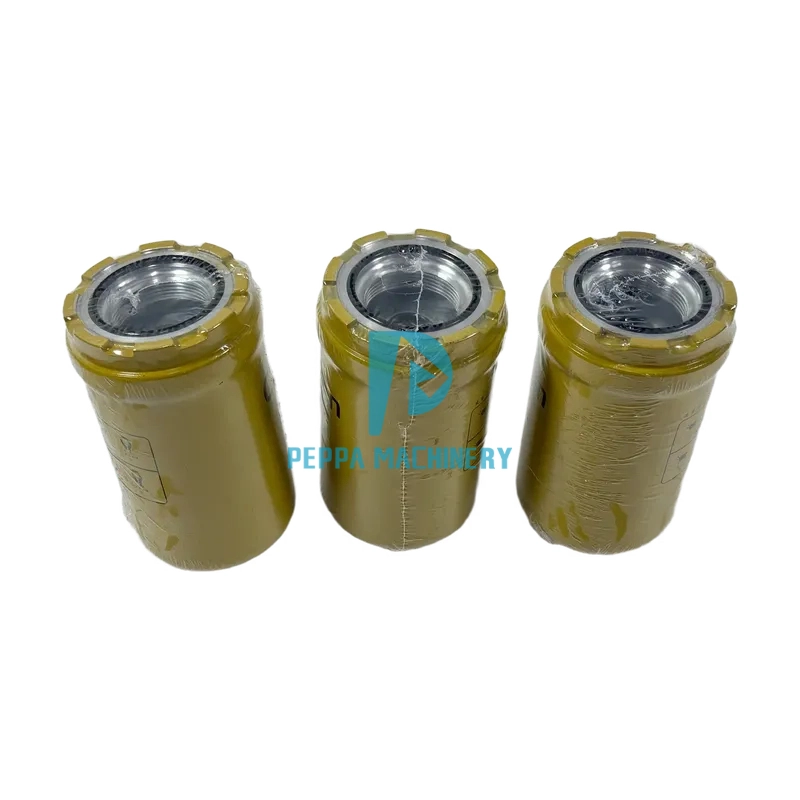
51-8670 Hydraulic Filter Applicable to HF35519 518670 2897836 518670X 1588987 Compatible with Caterpillar 352FVG 325CL
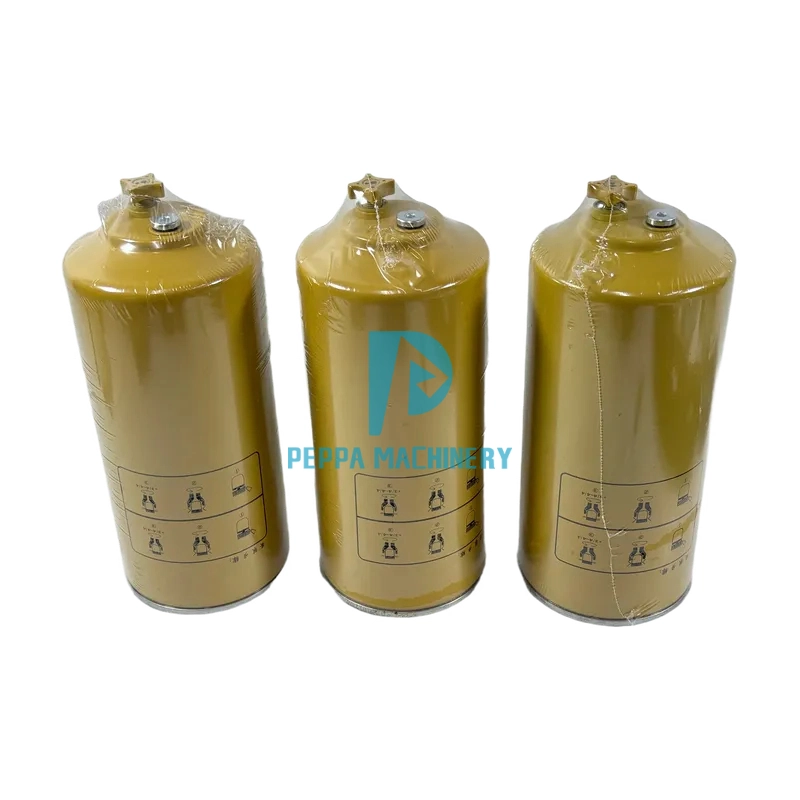
4385386 Fuel Water Separator Fuel Filter 382-0664 Oil-water Separator Hydraulic Oil Filter for CAT 312D2 320D2
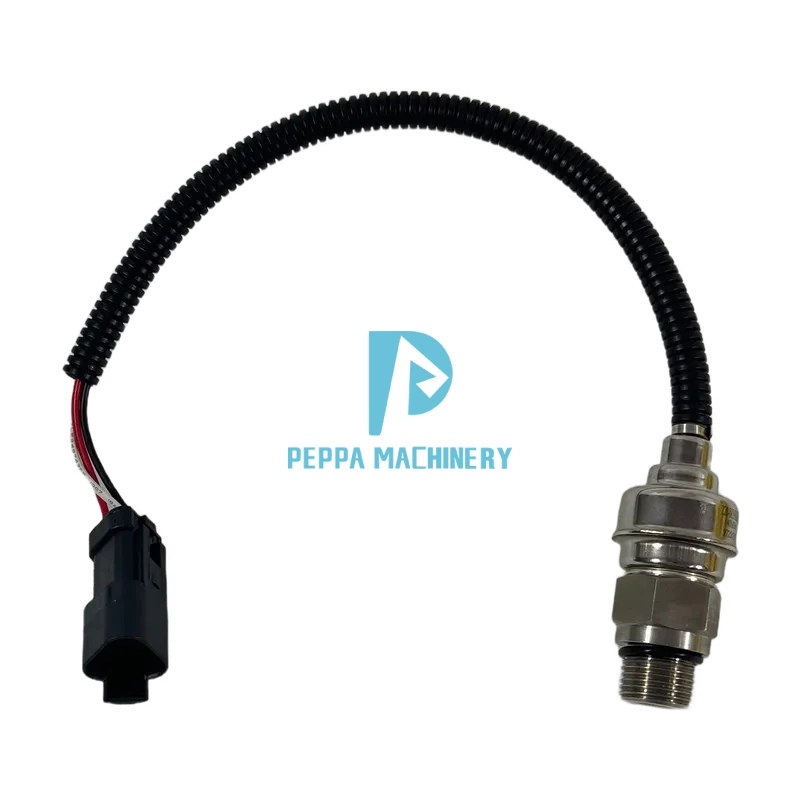
Pressure Sensor 221-8859 106-0178 for Caterpillar CAT 311B 311C 312C 314D 315B 320C 323D 324D 330C 336D 345B 385C
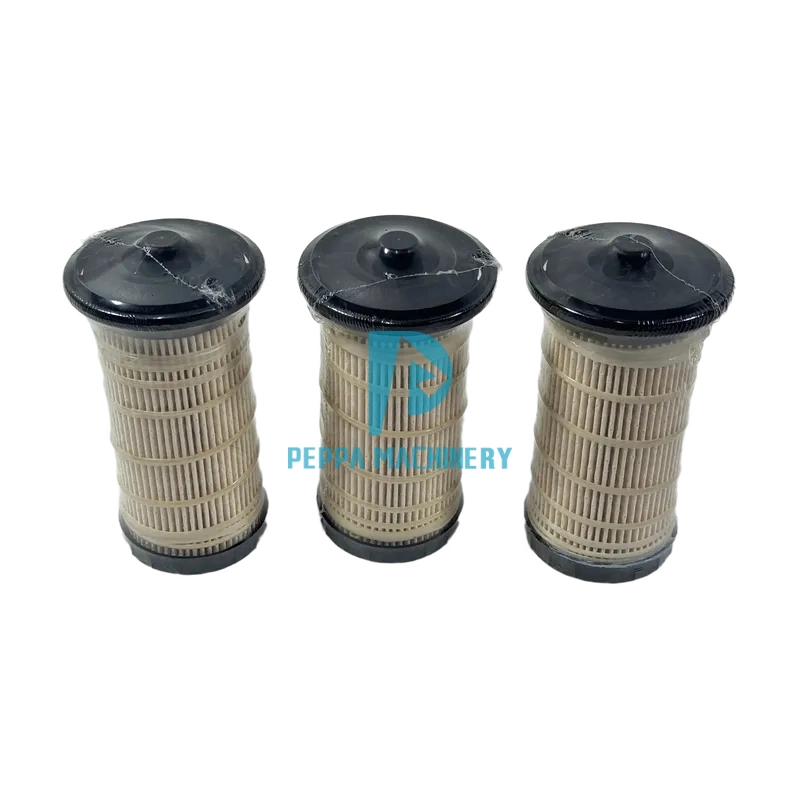
360-8960 Fuel Filter Element for Caterpillar C4.4 & C7.1 Engines | Fits 312D, 320D, 312E, 320E, 326D2, 336D2 Excavators
Get more information
Want to know more? Contact us today to get detailed product specifications, customized solutions, and a free consultation tailored to your needs.
Rest assured that your privacy is important to us, and all information provided will be handled with the utmost confidentiality.

Reliable Source for Quality Excavator Components.
Follow Us
Our Partners


Our Payment Methods


 High Quality
 7/24 Service
 Guaranteed Warranty
 Scan QR Code
Facebook
TikTok
YouTube
Pinterest
Twitter