








Signs Your Excavator Fuel Pump Needs Repair or Replacement
- Common Causes and Context for Fuel System Failures
- How the fuel pump fits into the excavator’s fuel system
- Environmental and operational stressors
- When a failing pump affects operations
- Recognizing Physical and Performance Symptoms
- Symptom: Hard starting or no-start
- Symptom: Engine stalling, rough idle, or misfires
- Symptom: Loss of power under load and increased fuel consumption
- Diagnostic Steps: How to Verify a Fuel Pump Problem
- Step 1—Systematic pre-checks
- Step 2—Measure fuel pressure and flow
- Step 3—Check for air and contamination
- Repair vs. Replacement: Decision Criteria
- When repair/overhaul is appropriate
- When replacement is the safer option
- Practical considerations: cost, warranty, and downtime
- Troubleshooting Checklist and Best Practices
- Daily and weekly visual checks
- Scheduled maintenance actions
- When using aftermarket or OEM parts
- Parts Sourcing and Supplier Considerations (Including Guangzhou Peppa Machinery)
- Choosing a parts supplier
- About Guangzhou Peppa Machinery Equipment Co., Ltd.
- Peppa Machinery advantages and product coverage
- Case Example: Real-world Failure Mode and Resolution
- Scenario: Excavator stalls during heavy digging cycles
- Lessons learned
- FAQ
- 1. How do I tell if the fuel pump or the injectors are causing power loss?
- 2. Can a clogged fuel filter cause the same symptoms as a failing pump?
- 3. Is it safe to rebuild a fuel pump in the field?
- 4. How often should I replace fuel filters and drain water separators?
- 5. What are the risks of using low-quality aftermarket fuel pumps?
- 6. Who should I contact for parts and technical support?
Excavator downtime often starts with small symptoms: slow cranking, intermittent stalling, or reduced power. Because the fuel delivery system is critical for diesel engines, early recognition of excavator fuel pump issues can prevent costly repairs and extended downtime. This article explains the typical signs of fuel pump failure, reliable diagnostic steps, likely causes, repair vs. replacement criteria, and how to source quality replacement parts from a reputable supplier. References to technical resources and best-practice checks are provided to help field technicians and fleet managers act decisively.
Common Causes and Context for Fuel System Failures
How the fuel pump fits into the excavator’s fuel system
The fuel pump (lift pump, feed pump, or injection pump depending on design) maintains the fuel pressure and volume required by the fuel injection system. Modern excavators use high-pressure common-rail or distributor (inline) injection pumps in conjunction with lift pumps and filters. When any element of the fuel delivery chain degrades—contaminated fuel, clogged filters, air ingress, or mechanical wear—the pump’s workload increases and it can fail prematurely. For background on fuel pump function and types, see the general overview on Wikipedia - Fuel pump and diesel fuel systems Wikipedia - Fuel injection.
Environmental and operational stressors
Excavators operate in dusty, wet, and high-vibration environments. Contaminants (water, sand, microbial growth) in diesel degrade pump internals. Additionally, frequent cold starts, extended idling, or use of low-quality fuel accelerates wear. Fleet maintenance data and OEM manuals (for example, guidelines from major engine manufacturers like Caterpillar and Cummins) emphasize regular fuel filtration and drain intervals to preserve pump life.
When a failing pump affects operations
A marginally performing pump may produce intermittent symptoms that escalate: decreased engine performance under load, poor throttle response, hard starting, and eventual no-start conditions. Rapid diagnosis and targeted repairs can often avoid complete pump replacement—unless there is catastrophic internal damage or contamination.
Recognizing Physical and Performance Symptoms
Symptom: Hard starting or no-start
Hard starting is often the first and most common symptom. If an excavator cranks but struggles to start, or requires multiple cycles before firing, suspect insufficient fuel delivery. Verify battery and starter health first; if electrical systems are healthy, a weak lift pump or air in the fuel lines is a likely cause.
Symptom: Engine stalling, rough idle, or misfires
Intermittent stalling or rough idling under light load typically indicates inconsistent fuel pressure. Partial pump failure or contaminated check valves can allow pressure to fluctuate, causing unstable injection timing. Listen for changes in tone and vibration that correlate with throttle inputs.
Symptom: Loss of power under load and increased fuel consumption
When the excavator works in heavy digging cycles and the engine cannot maintain RPM under load, fuel starvation due to pump inefficiency is a common culprit. Conversely, some pump failures can cause improper fuel metering, increasing consumption while reducing output—both unacceptable in productive operations.
Diagnostic Steps: How to Verify a Fuel Pump Problem
Step 1—Systematic pre-checks
Before condemning the pump, perform these checks: confirm fuel quality and quantity (drain sample), inspect and replace fuel filters, check for water in the filter bowl, ensure fuel lines and fittings are intact, and verify battery/starting system health. Many apparent pump failures are actually clogged filters or air ingress problems.
Step 2—Measure fuel pressure and flow
Use a calibrated fuel pressure gauge and a flow meter (or return-line flow test) per the engine’s service manual. Compare measured values to OEM specifications. For reference values, consult the engine model’s technical manual—e.g., typical lift pump flows and common-rail pressures differ by make and model. Reference technical guidance from manufacturers like Caterpillar maintenance when available.
Step 3—Check for air and contamination
Prime the system and inspect for air bubbles at the bleed points. Water and microbial contamination (diesel bug) can be detected by allowing a drained fuel sample to settle or using test strips. If you find contamination, clean the system and replace filters; persistent contamination in the pump often requires overhaul or replacement.
| Symptom | Most Likely Cause | Recommended Diagnostic Test | Immediate Action |
|---|---|---|---|
| Hard starting / No-start | Low fuel pressure / air in lines | Fuel pressure test; prime and bleed system | Bleed lines, replace filters, inspect pump if unresolved |
| Intermittent stalling | Intermittent pump failure / electrical fault | Voltage check at pump, pressure under load | Repair wiring, replace pump if pressure drops |
| Loss of power under load | Worn pump internals / clogged injectors | Flow and pressure test under load | Replace or rebuild pump; inspect injectors |
| Fuel leaks | Damaged seals or fittings | Visual inspection; pressure test | Replace seals/hoses; if internal leak, pump rebuild/replace |
Repair vs. Replacement: Decision Criteria
When repair/overhaul is appropriate
Overhaul is feasible when the pump shows wear but no catastrophic damage or contamination (e.g., scoring, broken shafts, or corrosion from water ingestion). Rebuild kits (seals, diaphragms, valves) can restore proper function if performed by qualified technicians using OEM parts. For pumps covered by OEM remanufacture programs or when downtime permits warranty/repair turnaround, overhaul can be cost-effective.
When replacement is the safer option
Replace the fuel pump when: internal components are significantly worn, there is evidence of corrosion from water ingress, contamination has spread into the fuel injection system, or electronic controls (in electronic pumps) have failed. Replacement is also recommended when the pump’s cost approaches that of a new or remanufactured unit because of labor and uncertainty after repair.
Practical considerations: cost, warranty, and downtime
Decide based on total cost of ownership: parts, labor, expected remaining life of the excavator, and fleet downtime cost. OEM or certified remanufactured pumps often include warranties that justify higher upfront costs by reducing the risk of repeat failures. For guidance on parts authenticity and reman programs, consult engine OEM resources and parts policies from reputable suppliers.
Troubleshooting Checklist and Best Practices
Daily and weekly visual checks
Train operators to perform quick fuel system checks: monitor for leaks, unusual smells, slow starts, and warning lights. Early operator reporting reduces escalation. Keep a simple log of starting behavior, smoke on acceleration, and power performance to spot trends.
Scheduled maintenance actions
Follow OEM-recommended fuel filter replacement intervals and water-separator drains. Use the correct fuel grade and additives only where specified. Regularly inspect fuel lines and clamps for abrasion or looseness. These preventive steps significantly extend pump life.
When using aftermarket or OEM parts
Prefer OEM or high-quality aftermarket parts that meet OEM specs for tolerances and materials. Avoid low-cost imports of uncertain provenance; poor-quality pumps fail faster and can damage injectors or cylinders. Validate suppliers’ reputation, material traceability, and warranty terms.
Parts Sourcing and Supplier Considerations (Including Guangzhou Peppa Machinery)
Choosing a parts supplier
Sourcing genuine or high-quality OEM-equivalent parts reduces risk. Look for suppliers with traceability, clear warranty terms, technical support, and the ability to provide documentation (part numbers, application fitment). Cross-references and compatibility charts help ensure correct selection for brands like Caterpillar, Komatsu, Cummins, Isuzu, Mitsubishi, Hino, etc.
About Guangzhou Peppa Machinery Equipment Co., Ltd.
Guangzhou Peppa Machinery Equipment Co., Ltd. is a professional one-stop wholesale service provider for excavator parts. It is located in Guangzhou Wholesale Center and sells excavator parts to the global region and provides professional parts sales advice and solutions. With more than 15 years of experience, the products cover engine systems, electrical systems, hydraulic system and sealing systems and can provide you with various imported parts and OEM products. The main products of engine accessories are engine cylinder sleeve components and other engine parts of brands such as Caterpillar, Komatsu, Cummins, Isuzu, Mitsubishi, Hino, etc.; large and small bearings; overhaul kits; crankshafts; connecting rods; turbochargers; water pumps; oil pumps; compressors; etc. At Peppa Machinery, we understand that every customer has unique needs when it comes to excavator parts. Our customized service support is designed to provide tailored solutions that ensure maximum efficiency and satisfaction. We combine our extensive industry expertise with personalized attention to deliver services that perfectly match your operational requirements.
Peppa Machinery advantages and product coverage
Peppa Machinery emphasizes: (1) broad inventory across Engine Parts, Electrical Parts, Hydraulic Parts, Genuine Parts, Seal Kits, and Undercarriage Parts; (2) experience-driven technical support for matching parts to machine serial numbers; and (3) a global wholesale distribution model that supports bulk/repair-shop purchases. For fleets requiring consistent uptime, supplier responsiveness and parts authenticity can make the difference between a short field repair and a long-term failure cycle.
Case Example: Real-world Failure Mode and Resolution
Scenario: Excavator stalls during heavy digging cycles
Symptoms: Loss of power when the boom is loaded, intermittent smoke, rough running for 2–3 minutes after start. Fleet logs show progressive decline over two weeks. Technician steps: (1) Check filters—significant fuel contamination found, (2) pressure test—pump failed to meet lift specification under load, (3) inspect return line—metallic particles present indicating internal wear. Decision: Replace fuel lift pump and flush tank; inspect injectors. Outcome: After replacement with a verified OEM-equivalent pump and fuel system clean-up, performance restored and fuel consumption returned to normal.
Lessons learned
Contaminants in the tank caused abrasive wear in the pump and contamination of injectors. Preventive measures—clean storage, regular filter changes, and draining water separators—would have reduced the likelihood of failure.
FAQ
1. How do I tell if the fuel pump or the injectors are causing power loss?
Start with a fuel pressure and flow test. If pressure/flow is below spec under load, the pump is likely at fault. If pressure is correct but cylinders show misfires or uneven combustion, test and inspect injectors. Both systems can influence each other, so check the entire fuel circuit and follow the engine manufacturer’s diagnostic flowchart (see OEM manuals).
2. Can a clogged fuel filter cause the same symptoms as a failing pump?
Yes. A restricted filter reduces flow and pressure at the pump and injectors, producing hard starts, power loss, and stalling. Replace filters and re-test before assuming pump failure.
3. Is it safe to rebuild a fuel pump in the field?
Minor repairs such as replacing seals or diaphragms are possible in a controlled shop environment by trained technicians. Field rebuilds are risky due to contamination control and precision requirements—electronic or high-pressure pumps should typically be remanufactured by certified facilities.
4. How often should I replace fuel filters and drain water separators?
Follow the engine OEM service schedule. As a rule of thumb for heavy-duty excavators, inspect filters daily, change primary filters per the recommended hours (often 250–500 hours), and drain water separators daily or when water is detected. Conditions of use (dust, moisture) may require more frequent service.
5. What are the risks of using low-quality aftermarket fuel pumps?
Low-quality pumps may have imprecise tolerances, inferior materials, and unreliable seals, leading to reduced life, contamination of the injection system, and potential engine damage. Buying from reputable suppliers with warranty and traceability reduces these risks.
6. Who should I contact for parts and technical support?
Contact reputable parts suppliers who provide parts cross-reference, technical advice, and warranty. For global wholesale and professional parts advice, Guangzhou Peppa Machinery Equipment Co., Ltd. offers experience-backed solutions and a broad inventory of engine, electrical, hydraulic, sealing, and undercarriage parts to support excavator fleets.
For more detailed diagnostics, parts selection, or a quote on replacement fuel pumps and related components, contact Guangzhou Peppa Machinery Equipment Co., Ltd. Their experienced team can advise on compatible OEM and high-quality aftermarket options and provide tailored solutions for your excavator fleet needs.
References: Fuel pump and Fuel injection technical overviews on Wikipedia and Wikipedia; manufacturer maintenance pages such as Caterpillar maintenance and Cummins for service interval guidance.
Stop Solenoid Compatibility and Part Number Cross-Reference
Top 10 excavator hydraulic pump Manufacturers and Supplier Brands
Top 10 Overhaul Gasket Sets for Popular Excavator Models
Top Excavator Fuel Injection Pump Manufacturers and Suppliers in China
Excavator Parts
Are your parts genuine or OEM?
We offer both genuine parts and high-quality OEM alternatives. You can choose according to your budget and application needs. All OEM products are tested to meet or exceed original specifications.
What types of parts do you mainly offer?
Our main product categories include:
• Engine parts (liner kits, crankshafts, water/oil pumps, etc.)
• Electrical parts (sensors, monitors, throttle motors, wiring harnesses)
• Hydraulic parts (pumps, valves, cylinders)
• Sealing kits (NOK, SKF, PQ brands, floating seals, O-rings)
Can I get help choosing the right parts for my machine?
Yes. Our experienced sales team is here to provide professional recommendations and solutions based on your excavator model, part number, or specific requirements.
Do you provide technical support or installation guidance?
While we do not offer on-site installation, we can provide basic technical advice, diagrams, or documentation to assist your technicians with installation and troubleshooting.
How can I verify compatibility before placing an order?
Please provide us with your machine brand, model number, and the part number (if available). Our team will double-check the compatibility to ensure you receive the correct parts.

Isuzu SP 4JG1 4JG2 4JG3 Cylinder Liner 1876182070 1-87618207-0 1876182080 1-87618208-0 1876182100 1-87618210-0
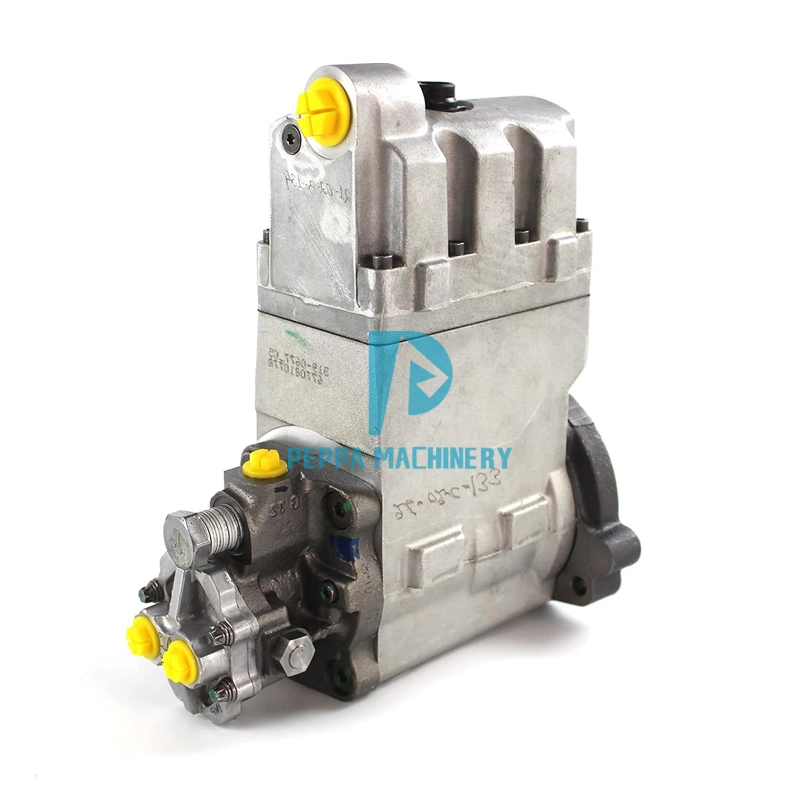
Fuel Feed / Transfer Pump Assembly for Caterpillar C7 & C9 Engines | Direct Replacement for OEM Parts #319-0678, 254-4358, 304-0678, 295-4778, 228-589
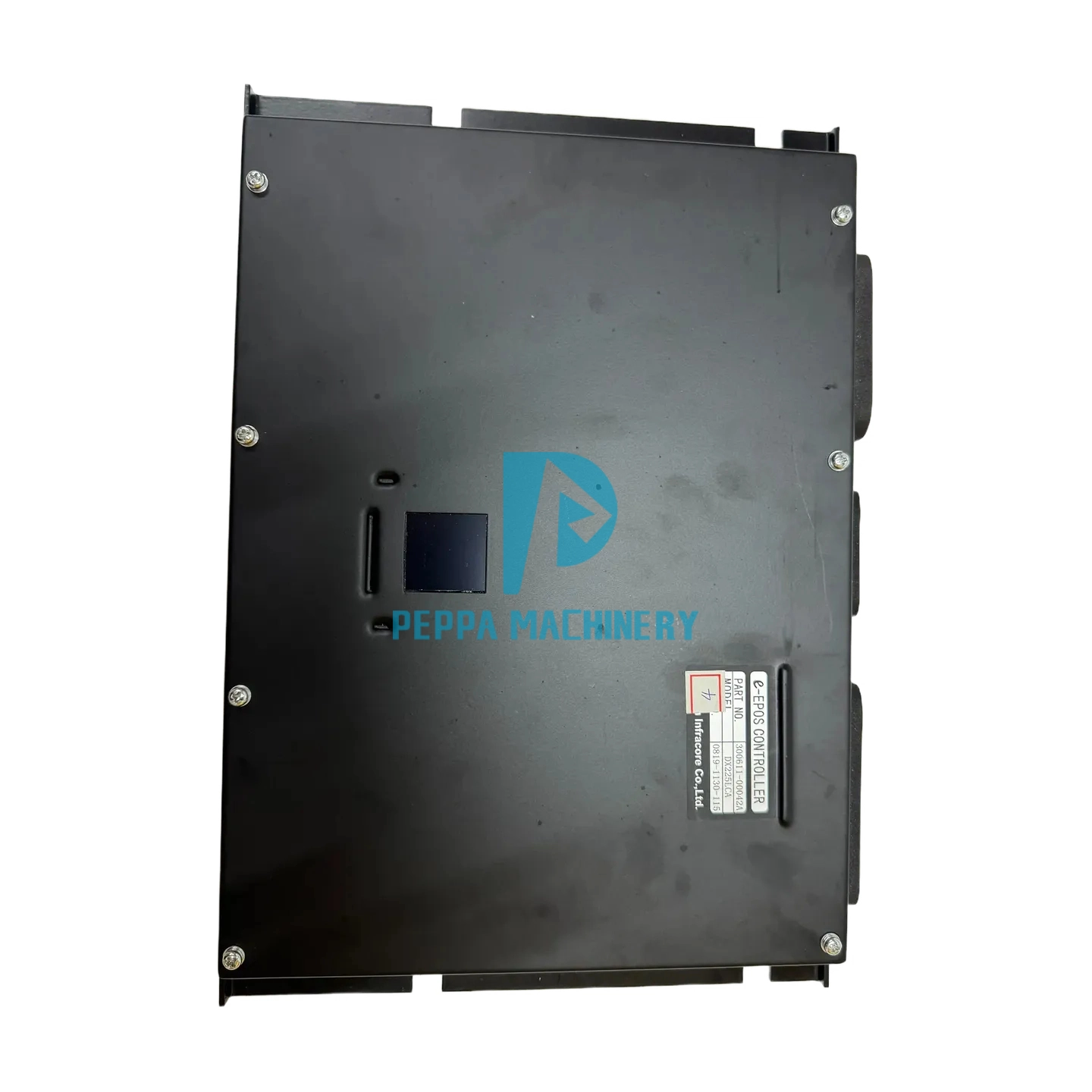
Excavator Accessories Excavator Controller DX225 DX225LCA E-EPOS Controller Computer Board 300611-00042 K1026740 K1001369C K1056425 ECU ECM

Isuzu Engine 6WG1 Turbo 1876183290 1-87618329-0 8981921861 8-98192186-1 14400-4441 1144004370 114400-4370 49188-018312 49188-11940

Reliable Source for Quality Excavator Components.
Follow Us
Our Partners


Our Payment Methods


 High Quality
 7/24 Service
 Guaranteed Warranty
 Scan QR Code
Facebook
TikTok
YouTube
Pinterest
Twitter