








Common Troubleshooting for Excavator Electric Fuel Pumps
- Why electric fuel pumps fail in excavators
- Common failure modes
- Environmental and usage factors unique to excavators
- System-level interactions that mask pump faults
- Diagnostic workflow for electric fuel pump issues
- Safety first and preparatory checks
- Electrical tests: voltage, current and relay checks
- Fuel delivery tests: flow and pressure diagnostics
- Repair and replacement best practices
- Interpreting diagnostic results and deciding repair vs replacement
- Step-by-step replacement checklist
- Comparison table: Symptoms, probable causes and recommended actions
- Preventive maintenance, parts selection and sourcing
- Maintenance routines that reduce electric fuel pump failures
- Parts selection: OEM vs. aftermarket considerations
- About Guangzhou Peppa Machinery and professional sourcing
- Verification, record-keeping and advanced diagnostics
- Logging repairs and trend analysis
- When to escalate to specialist testing
- Standards and references
- FAQ — Common questions about excavator electric fuel pumps
- 1. What are the first checks if my excavator won’t start and I suspect the fuel pump?
- 2. Can I bench-test an electric fuel pump without removing the whole module?
- 3. How do I tell if low fuel pressure is due to the pump or a clogged filter?
- 4. Is it safe to reuse an old electric fuel pump if it appears clean?
- 5. How often should fuel filters and pre-filters be changed on excavators?
- 6. What role does fuel quality play in pump longevity?
- Contact & product consultation
Summary for and users: Excavator electric fuel pumps are critical to diesel engine performance and uptime. This guide outlines common symptoms, root causes, diagnostic steps and proven fixes for electric fuel pump failures—covering electrical faults, fuel contamination, mechanical wear and system-level interactions. Recommendations prioritize safety, verifiable testing (voltage, current, flow, pressure) and parts quality. For sourcing OEM and aftermarket parts, see supplier recommendations below including Guangzhou Peppa Machinery's capabilities.
Why electric fuel pumps fail in excavators
Common failure modes
Electric fuel pumps on excavators fail for a handful of recurring reasons: contaminated fuel (water, particulate), degraded internal components (brushes, impellers), electrical faults (corroded connectors, failed relays), and system stresses (air ingress, cavitation, overheating). Because excavator fuel systems often work in harsh environments—dust, vibration and long idle periods—these modes are more prevalent than in light vehicles. For background on fuel pump types and operation see Wikipedia – Fuel pump.
Environmental and usage factors unique to excavators
Excavators operate off-road, in variable climates and with frequent low-load cycles. Moisture ingress in fuel tanks and prolonged storage of diesel increases microbial growth and particulate generation (often called diesel bug). Vibration can loosen electrical terminals and accelerate brush or bearing wear. Understanding these contextual factors helps target the most likely root causes during troubleshooting.
System-level interactions that mask pump faults
Often an apparent pump failure is caused or amplified by other components: clogged fuel filters, failing lift/transfer pumps, malfunctioning pressure regulators, or injector faults. Before condemning a pump, confirm upstream/downstream components and system pressures are within specification. Industry documentation and OEM service manuals provide the correct test points and pressure ranges—consult the machine's service manual or manufacturer support (e.g., Caterpillar support, Cummins).
Diagnostic workflow for electric fuel pump issues
Safety first and preparatory checks
Always perform diagnostics with safety measures: disconnect battery when inspecting wiring, relieve fuel system pressure per the service manual, and use appropriate PPE when handling diesel. Verify fuel level and visually inspect the tank, pre-filters and primary filters for water or unusual sediment. Check for service bulletins from OEMs before proceeding.
Electrical tests: voltage, current and relay checks
Electrical faults are a leading cause of pump failure. Steps:
- Check battery voltage at the pump connector with engine cranking and key-on—voltage drop under load indicates wiring or supply issues.
- Measure current draw of the pump with a clamp ammeter; compare to manufacturer spec. Sudden high draw suggests internal mechanical binding; very low/no draw suggests open circuit or failed motor.
- Test the pump relay and fuse; swap with a known-good relay if needed. Inspect and clean connectors—look for corrosion or melted insulation.
When in doubt, consult wiring diagrams in the excavator's electrical manual and follow grounding checks and connector pinouts carefully.
Fuel delivery tests: flow and pressure diagnostics
Use a calibrated fuel pressure gauge and, if possible, an inline flow meter to quantify pump output. Measure static and running pressures at the recommended test port. If pressure is intermittent or weak but electrical tests are good, suspect internal pump wear, clogged pickup screens, or suction restrictions. For system-level pressures on common-rail vs. mechanical systems, refer to the engine OEM documentation (e.g., Common rail systems).
Repair and replacement best practices
Interpreting diagnostic results and deciding repair vs replacement
Use diagnostic data to decide: electrical failures (bad wiring/relay/connector) can be repaired; contamination-damaged units often require replacement. If current draw is within spec but flow/pressure are low, replace the pump assembly or perform a controlled bench test. Confirm whether the pump is an integrated module (with sender, filter or strainer) which often necessitates full-module replacement.
Step-by-step replacement checklist
When replacing an electric fuel pump on an excavator follow a documented checklist:
- Drain/contain fuel per environmental rules and relieve system pressure.
- Label and photograph wiring and hose connections before disassembly.
- Replace fuel filters and clean or replace pickup screens to prevent rapid re-contamination of new pump.
- Use new gaskets/seals, and where applicable apply thread sealant specified by OEM.
- Prime the system following OEM priming procedures to avoid dry-running the new pump.
- Run post-replacement tests: voltage/current checks, flow/pressure measurements, and confirm no fuel leaks.
Comparison table: Symptoms, probable causes and recommended actions
| Symptom | Probable Cause | Recommended Action |
|---|---|---|
| Engine cranks but won't start | Fuel pump not energizing / clogged primary filter / air lock | Check pump relay/fuse, test voltage at pump, inspect/replace filter, bleed system |
| Intermittent loss of power / stalling | Overheating pump, electrical connector intermittent, contaminated fuel | Inspect connectors, measure current draw, test for contaminants, replace pump if overheating |
| Reduced power / poor acceleration | Low fuel pressure / clogged injectors / worn pump | Measure fuel pressure/flow, clean/replace filters, test injectors, replace pump if flow below spec |
| Noise from pump area | Worn bearings / cavitation / air ingress | Inspect suction line and tank venting, check for water/air, replace pump or internal bearings |
Data and test methodology should follow manufacturer procedures or recognized diagnostic guides; consult OEM service manuals and technical service bulletins for component specifications.
Preventive maintenance, parts selection and sourcing
Maintenance routines that reduce electric fuel pump failures
Key preventive actions:
- Regular fuel filter replacement at OEM intervals or sooner in dirty environments.
- Water separation and drain checks—use bowl-type water separators where applicable and drain daily if water contamination is likely.
- Fuel tank inspections and periodic cleaning to remove sediment; use quality fuel and proper storage practices to limit microbial growth.
- Electrical connector inspection and dielectric grease application to prevent corrosion.
Parts selection: OEM vs. aftermarket considerations
Choosing the right replacement parts matters for longevity and warranty. OEM parts guarantee fit and documented performance; reputable aftermarket suppliers can offer cost savings but require strict quality verification (material specs, testing, warranty). For excavator fleets, consistency of supply and access to technical support are critical—confirm part numbers, interchangeability and return policies before purchasing.
About Guangzhou Peppa Machinery and professional sourcing
Guangzhou Peppa Machinery Equipment Co., Ltd. is a professional one-stop wholesale service provider for excavator parts. It is located in Guangzhou Wholesale Center and sells excavator parts to the global region and provides professional parts sales advice and solutions.
With more than 15 years of experience, the products cover engine systems, electrical systems, hydraulic system and sealing systems and can provide you with various imported parts and OEM products.
The main products of engine accessories are engine cylinder sleeve components and other engine parts of brands such as Caterpillar, Komatsu, Cummins, Isuzu, Mitsubishi, Hino, etc.; large and small bearings; overhaul kits; crankshafts; connecting rods; turbochargers; water pumps; oil pumps; compressors; etc.
At Peppa Machinery, we understand that every customer has unique needs when it comes to excavator parts. Our customized service support is designed to provide tailored solutions that ensure maximum efficiency and satisfaction. We combine our extensive industry expertise with personalized attention to deliver services that perfectly match your operational requirements.
Peppa Machinery advantages and product focus:
- Extensive inventory across Engine Parts, Electrical Parts, Hydraulic Parts, Genuine Parts, Seal Kits and Undercarriage Parts—minimizes downtime with fast fulfilment.
- Over 15 years' experience supplying both imported and OEM products; technical sales advice to match correct part numbers and compatibility.
- Quality control processes and aftermarket support to ensure reliability in harsh operating conditions.
- Competitive wholesale pricing from Guangzhou Wholesale Center with global shipping networks.
For excavator electric fuel pump issues, sourcing the correct pump module, associated wiring harnesses, fuel filters and seals from a supplier like Peppa Machinery reduces risk of misfit parts, improves uptime, and ensures access to replacement kits for routine maintenance.
Verification, record-keeping and advanced diagnostics
Logging repairs and trend analysis
Track every fuel-system repair with dates, serial numbers of replaced parts, pre/post-test results, and fuel source history. Trend analysis over months can reveal chronic contamination sources or recurring electrical problems—useful for root-cause elimination and warranty claims.
When to escalate to specialist testing
If basic diagnostics don't isolate the fault, escalate to bench-testing the pump (using the manufacturer's bench test rig or an industry-standard tester) or send samples of fuel for laboratory analysis to detect microbes, water content or unusual contaminants. For critical fleets, consider on-site diagnostic tools and training for technicians.
Standards and references
For technical procedures and test standards consult OEM service manuals and recognized technical bodies. General background on fuel pump types and delivery systems: Wikipedia – Fuel pump. For engine-specific service guidance consult manufacturer support pages such as Caterpillar and Cummins. For industry standards and technical papers, see SAE International.
FAQ — Common questions about excavator electric fuel pumps
1. What are the first checks if my excavator won’t start and I suspect the fuel pump?
Start with simple, verifiable checks: confirm fuel level, check fuses and pump relay, measure voltage at the pump connector with key-on/crank, and inspect the primary fuel filter for blockage. Only after electrical supply and filters are ruled out should you perform flow/pressure tests.
2. Can I bench-test an electric fuel pump without removing the whole module?
Yes—if the pump is accessible and safe to energize outside the vehicle using a controlled power supply and fuel-safe container. Follow manufacturer bench-test procedures and safety precautions. For in-tank module pumps, removal is often required to avoid heating/burning hazards.
3. How do I tell if low fuel pressure is due to the pump or a clogged filter?
Measure pressure upstream and downstream of the filter. If upstream (pump outlet) pressure is within spec but downstream is low, the filter is likely clogged. If both are low, suspect the pump or suction restriction. Flow testing and current draw measurements help confirm pump health.
4. Is it safe to reuse an old electric fuel pump if it appears clean?
Reusing a pump can be acceptable if comprehensive testing (electrical, flow, pressure) meets OEM specs and internal inspection reveals no wear. However, for contaminated systems or when replacement cost is modest relative to downtime, replacement is often the safer, longer-lasting option.
5. How often should fuel filters and pre-filters be changed on excavators?
Follow the OEM-specified intervals in the service manual, but in harsh operating conditions change filters more frequently. For many fleets, a preventative interval shorter than OEM recommendations improves reliability—monitor differential pressure across filters when possible.
6. What role does fuel quality play in pump longevity?
Fuel quality is critical. Water, sediments, and microbial growth drastically shorten pump life and damage injectors. Use proper storage, water separators and fuel polishing for equipment stored long-term or operating in contaminated environments.
Contact & product consultation
If you need parts, technical advice or tailored maintenance solutions for excavator electric fuel pump systems, contact Guangzhou Peppa Machinery Equipment Co., Ltd. Their wholesale inventory and technical sales support can help you source the correct fuel pumps, filters, seals and related engine/electrical components. For urgent troubleshooting support and product lists, reach out to Peppa Machinery for a consultation and quotation.
Quick action checklist: Verify electrical supply, inspect/replace filters, measure fuel pressure/flow, bench-test or replace pump module if necessary, and source quality replacement parts from experienced suppliers such as Guangzhou Peppa Machinery.
Top Brands of Excavator Injectors for Heavy Equipment
How to Verify Gasket Kit Compatibility by Engine Model/Serial
Excavator Injector: Repair vs Replace Cost Breakdown
OEM vs Aftermarket Stop Solenoids: What Buyers Should Know
Excavator Parts
Are your parts genuine or OEM?
We offer both genuine parts and high-quality OEM alternatives. You can choose according to your budget and application needs. All OEM products are tested to meet or exceed original specifications.
What brands of excavator parts do you supply?
We supply a full range of parts compatible with major international and Chinese brands, including Caterpillar, Komatsu, Hitachi, Volvo, Doosan, Hyundai, Sany, Liugong, XCMG, Zoomlion, and more.
Do you provide technical support or installation guidance?
While we do not offer on-site installation, we can provide basic technical advice, diagrams, or documentation to assist your technicians with installation and troubleshooting.
How can I verify compatibility before placing an order?
Please provide us with your machine brand, model number, and the part number (if available). Our team will double-check the compatibility to ensure you receive the correct parts.
What types of parts do you mainly offer?
Our main product categories include:
• Engine parts (liner kits, crankshafts, water/oil pumps, etc.)
• Electrical parts (sensors, monitors, throttle motors, wiring harnesses)
• Hydraulic parts (pumps, valves, cylinders)
• Sealing kits (NOK, SKF, PQ brands, floating seals, O-rings)
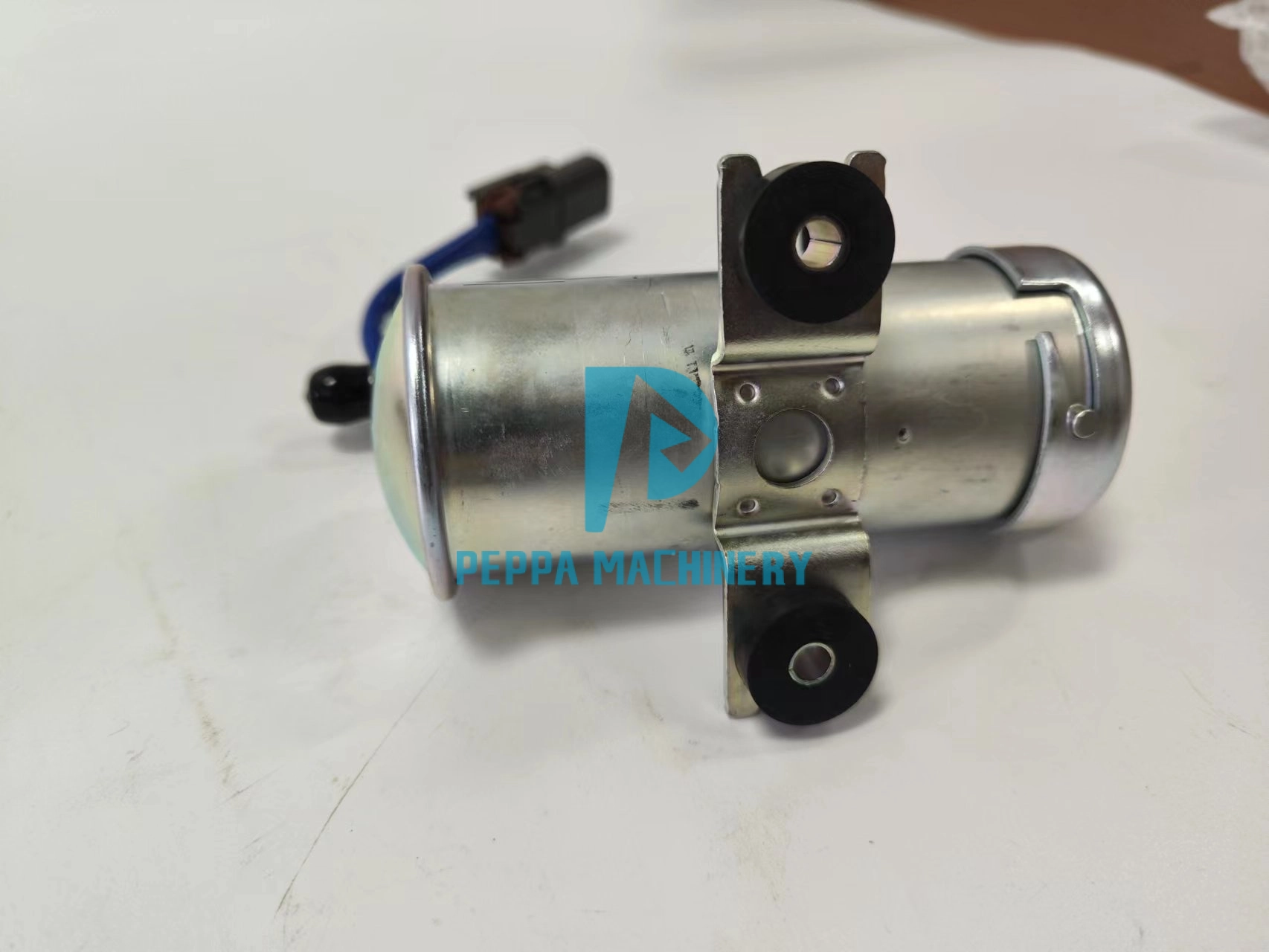
8-97515301-1 Electric Fuel Pump for 4HK1 6HK1 Engine 8975153011
Peppa Machinery presents Construction Machinery Parts 8-97515301-1 Electric Fuel Pump for 4HK1 6HK1 Engine 8975153011,Engineered for precision and durability, this overhaulkit ensures optimal performance and fuel efficiency. Reliable replacement for heavy-duty machinery.

Isuzu SP 4JG1 4JG2 4JG3 Cylinder Liner 1876182070 1-87618207-0 1876182080 1-87618208-0 1876182100 1-87618210-0
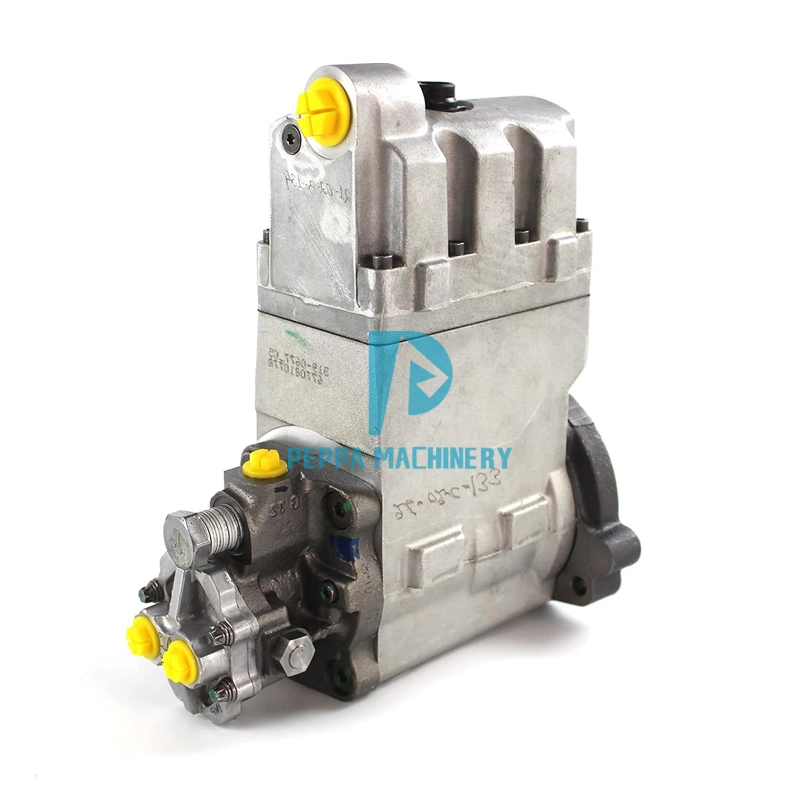
Fuel Feed / Transfer Pump Assembly for Caterpillar C7 & C9 Engines | Direct Replacement for OEM Parts #319-0678, 254-4358, 304-0678, 295-4778, 228-589
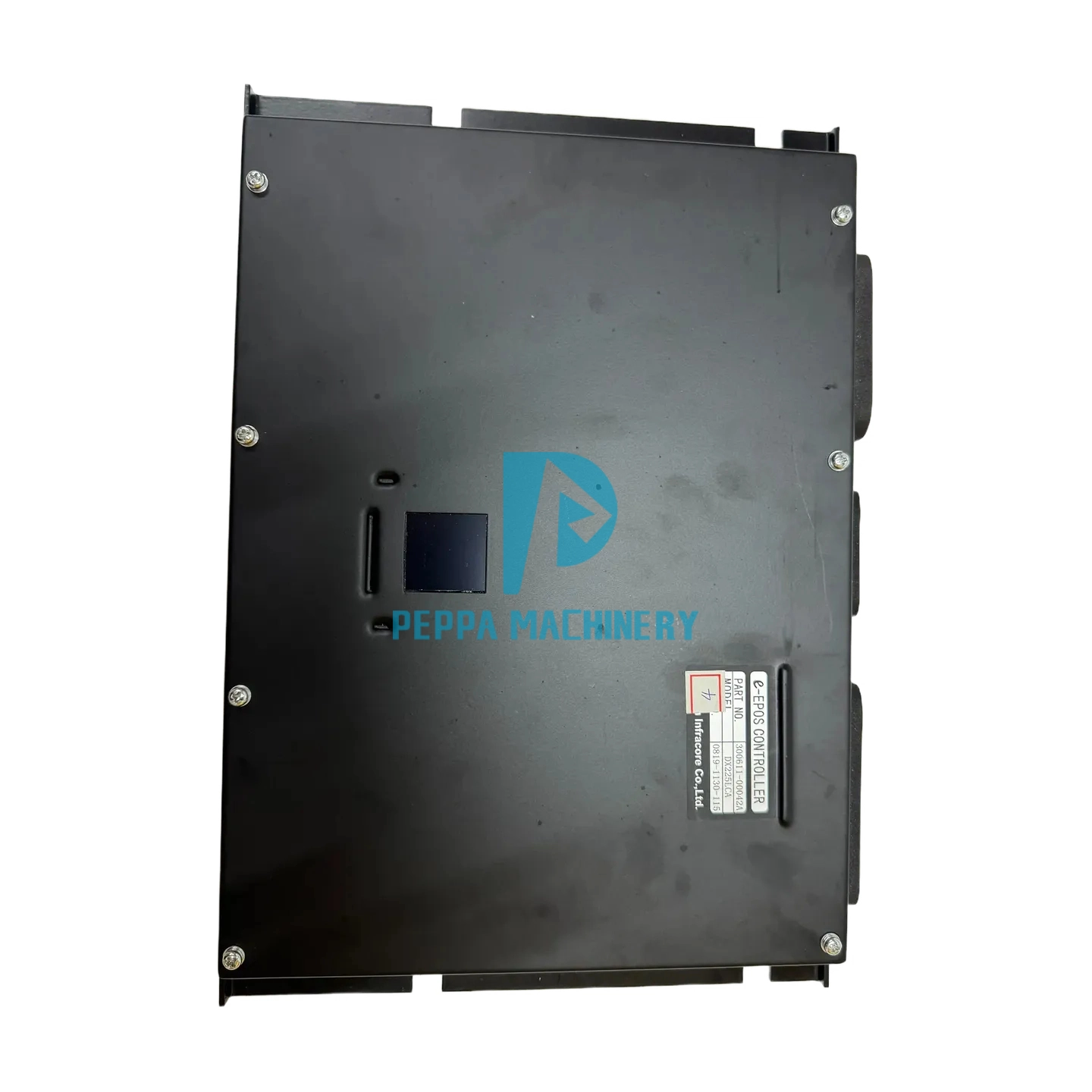
Excavator Accessories Excavator Controller DX225 DX225LCA E-EPOS Controller Computer Board 300611-00042 K1026740 K1001369C K1056425 ECU ECM

Reliable Source for Quality Excavator Components.
Follow Us
Our Partners


Our Payment Methods


 High Quality
 7/24 Service
 Guaranteed Warranty
 Scan QR Code
Facebook
TikTok
YouTube
Pinterest
Twitter