








Electric vs. Traditional Turbochargers for Excavators
- Understanding Turbochargers in Excavators
- What Is a Turbocharger?
- Traditional Turbochargers: Operational Mechanism
- Electric Turbochargers: A Modern Approach
- How Electric Turbochargers Work
- Advantages of Electric Turbochargers
- Disadvantages of Electric Turbochargers
- Comparing Performance: Electric vs. Traditional Turbochargers
- Maintenance Considerations
- Traditional Turbochargers
- Electric Turbochargers
- Guangzhou Peppa Machinery Equipment Co., Ltd.: Your Trusted Partner in Excavator Parts
- Frequently Asked Questions (FAQs)
- Contact Us
In the ever-evolving world of excavator technology, enhancing engine performance and efficiency is paramount. A critical component in achieving these goals is the turbocharger, which plays a pivotal role in boosting engine power and responsiveness. Traditionally, excavators have relied on conventional turbochargers, but the advent of electric turbochargers has introduced new possibilities. This article delves into the distinctions between electric and traditional turbochargers, examining their operational mechanisms, benefits, drawbacks, and maintenance requirements.
Understanding Turbochargers in Excavators
What Is a Turbocharger?
A turbocharger is a device that forces additional air into an internal combustion engine's combustion chamber, allowing the engine to burn more fuel and produce more power. In excavators, turbochargers are essential for enhancing engine performance, especially under heavy-duty conditions.
Traditional Turbochargers: Operational Mechanism
Traditional turbochargers operate by utilizing the engine's exhaust gases to spin a turbine, which in turn drives a compressor that forces more air into the engine. This process increases the engine's efficiency and power output. However, a notable drawback of this system is the phenomenon known as "turbo lag," where there is a delay between the driver's acceleration input and the turbocharger's response.
Electric Turbochargers: A Modern Approach
How Electric Turbochargers Work
Electric turbochargers address the issue of turbo lag by employing an electric motor to drive the compressor directly, independent of exhaust gases. This design allows for immediate spool-up, delivering a rapid boost in power and eliminating the delay associated with traditional turbochargers.
Advantages of Electric Turbochargers
Instantaneous Response: The electric motor enables the compressor to reach optimal speed almost instantly, providing immediate power delivery.
Reduced Turbo Lag: By eliminating the reliance on exhaust gases, electric turbochargers significantly reduce or eliminate turbo lag, enhancing throttle responsiveness.
Improved Fuel Efficiency: Electric turbochargers can operate more efficiently, as they do not divert energy from the engine's exhaust system, leading to better overall fuel economy.
Disadvantages of Electric Turbochargers
Complexity and Cost: The integration of electric motors and associated electronics adds complexity and can increase the initial cost of the turbocharger system.
Power Consumption: The electric motor requires a significant amount of electrical power, which may impact the overall energy balance of the excavator.
Comparing Performance: Electric vs. Traditional Turbochargers
When evaluating the performance of electric and traditional turbochargers in excavators, several factors come into play:
| Aspect | Traditional Turbocharger
| Electric Turbocharger |||||| Response Time | Subject to turbo lag due to reliance on exhaust gases| Immediate response with minimal to no turbo lag
|| Fuel Efficiency | Potentially less efficient due to energy diversion from exhaust gases | Enhanced efficiency as it operates independently of exhaust gases |
|---|---|---|
| Maintenance Needs | Generally simpler but may require regular checks for wear and tear | More complex, with potential for higher maintenance costs due to electrical components |
| Cost Implications | Lower initial cost but may incur higher operational costs over time | |
| Higher initial investment but potential for lower operational costs and improved performance |
Maintenance Considerations
Traditional Turbochargers
Regular maintenance of traditional turbochargers involves monitoring for signs of wear, such as unusual noises or decreased performance. Routine inspections and timely replacements of components like bearings and seals are essential to ensure longevity and optimal performance.
Electric Turbochargers
Electric turbochargers require additional maintenance of electrical components, including the electric motor and associated wiring. Ensuring the integrity of these components is crucial to prevent electrical failures and maintain system efficiency.
Guangzhou Peppa Machinery Equipment Co., Ltd.: Your Trusted Partner in Excavator Parts
At Guangzhou Peppa Machinery Equipment Co., Ltd., we specialize in providing high-quality excavator parts, including both traditional and electric turbochargers. With over 15 years of experience, we offer a comprehensive range of products covering engine systems, electrical systems, hydraulic systems, and sealing systems. Our main products include engine cylinder sleeve components and other engine parts compatible with brands such as Caterpillar, Komatsu, Cummins, Isuzu, Mitsubishi, and Hino. We also supply large and small bearings, overhaul kits, crankshafts, connecting rods, turbochargers, water pumps, oil pumps, and compressors.
Understanding that each customer has unique needs, we provide customized service support designed to deliver tailored solutions that ensure maximum efficiency and satisfaction. Our extensive industry expertise, combined with personalized attention, allows us to offer services that perfectly match your operational requirements.
Frequently Asked Questions (FAQs)
Q1: Can I upgrade my excavator with a more powerful turbocharger?
Yes, upgrading to a more powerful turbocharger can enhance your excavator's performance. It's essential to consult with a professional to ensure compatibility and optimal integration with your equipment.
Q2: What are signs that my excavator turbocharger needs service?
Common indicators include unusual noises, decreased engine performance, increased exhaust smoke, or visible damage to the turbocharger components.
Q3: Are aftermarket turbochargers safe to use?
Aftermarket turbochargers can be safe if they meet OEM standards and are installed correctly. It's advisable to source them from reputable suppliers and ensure they are compatible with your excavator model.
Q4: How often should I replace my excavator's turbocharger?
The replacement interval varies based on usage, maintenance practices, and operating conditions. Regular inspections and adherence to the manufacturer's maintenance schedule are recommended.
Q5: What is the cost difference between traditional and electric turbochargers?
Electric turbochargers generally have a higher initial cost due to their advanced technology. However, they may offer long-term savings through improved fuel efficiency and performance.
Contact Us
For more information on our products and services, or to discuss your specific excavator parts needs, please contact us at:
- Email: jbparts@aliyun.com
- WhatsApp/WeChat: +86 136 6086 3681 / +86 147 4933 6079
- Skype: sandy201199
- Address: Shop No. 114, Boying Commercial Building, No. 268 East Zhongshan Avenue, Huangpu District, Guangzhou 510700, China
We are committed to providing you with the highest quality excavator parts and expert support to keep your equipment running at its best.
Excavator Alternator Comparison: OEM vs Aftermarket
Top 10 Overhaul Gasket Sets for Popular Excavator Models
Injector Replacement Cost: Budgeting for Excavator Repairs
Top 10 Excavator Oil Pump Manufacturers and Supplier Brands
Excavator Parts
Can I get help choosing the right parts for my machine?
Yes. Our experienced sales team is here to provide professional recommendations and solutions based on your excavator model, part number, or specific requirements.
Do you provide technical support or installation guidance?
While we do not offer on-site installation, we can provide basic technical advice, diagrams, or documentation to assist your technicians with installation and troubleshooting.
What brands of excavator parts do you supply?
We supply a full range of parts compatible with major international and Chinese brands, including Caterpillar, Komatsu, Hitachi, Volvo, Doosan, Hyundai, Sany, Liugong, XCMG, Zoomlion, and more.
Are your parts genuine or OEM?
We offer both genuine parts and high-quality OEM alternatives. You can choose according to your budget and application needs. All OEM products are tested to meet or exceed original specifications.
What types of parts do you mainly offer?
Our main product categories include:
• Engine parts (liner kits, crankshafts, water/oil pumps, etc.)
• Electrical parts (sensors, monitors, throttle motors, wiring harnesses)
• Hydraulic parts (pumps, valves, cylinders)
• Sealing kits (NOK, SKF, PQ brands, floating seals, O-rings)

Isuzu SP 4JG1 4JG2 4JG3 Cylinder Liner 1876182070 1-87618207-0 1876182080 1-87618208-0 1876182100 1-87618210-0
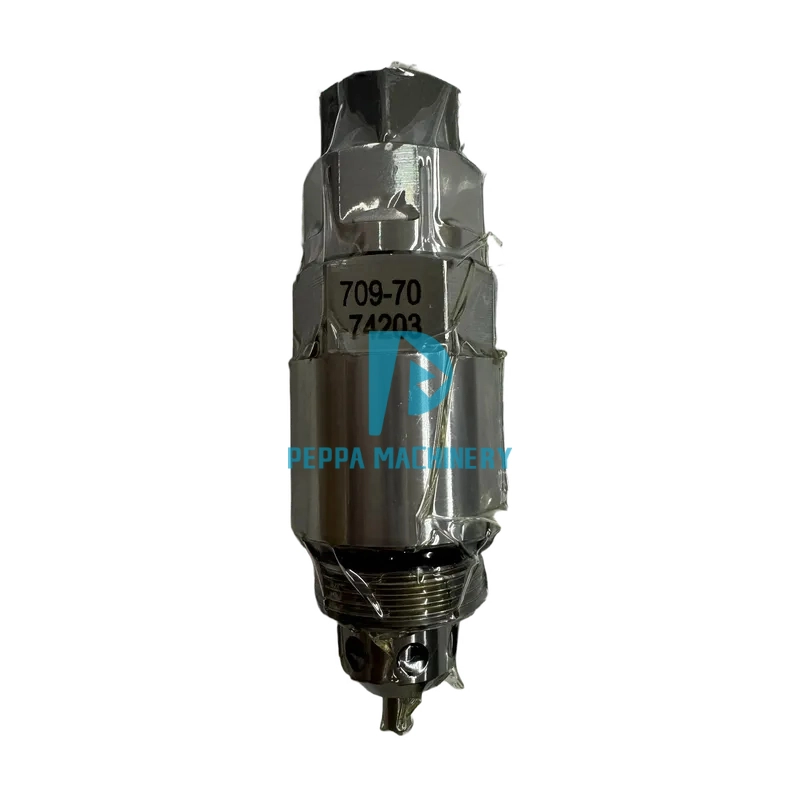
709-70-74203 7097074203 Relief Valve for PC200-5 PC200-6
Peppa Machinery’s Relief Valve PC200-5 PC200-6 delivers. Designed for durability and high performance, this Relief Valve ensures reliable operation in industrial applications. Ideal for efficient Relief Valve .

New for CAT 312D 320D Excavator Spare Parts 4343436 434-3436 221-8859 Metal Pressure Switch and Sensor
Peppa Machinery offers New for CAT 312D/320D Excavator Spare Parts — Metal Pressure Switch & Sensor 4343436 / 434-3436 / 221-8859. Durable, precision OEM-fit replacement with fast shipping and warranty. Buy genuine CAT parts now.
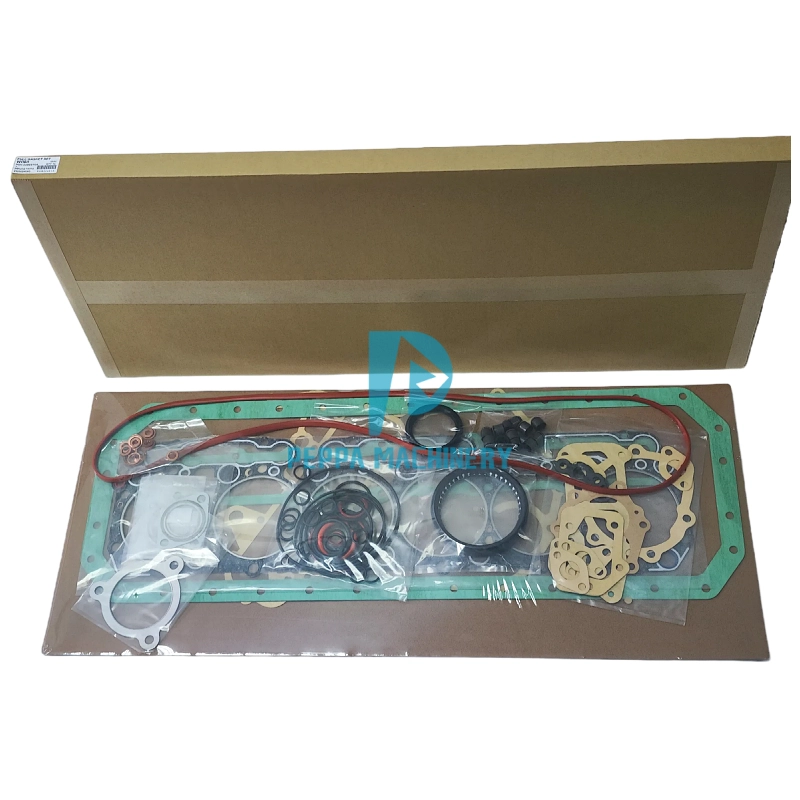
W06D W06DT Engine Overhaul Repair Kit Full Gasket
Peppa Machinery W06D Overhaul Repair Kit Full Gasket — complete engine overhaul kit with precision-fit full gasket set, seals and components for dependable WO6D performance, OEM-quality durability and easy installation.

Reliable Source for Quality Excavator Components.
Follow Us
Our Partners


Our Payment Methods


 High Quality
 7/24 Service
 Guaranteed Warranty
 Scan QR Code
Facebook
TikTok
YouTube
Pinterest
Twitter