








Electric vs. Mechanical Turbochargers: Excavator Comparison
- Understanding Turbochargers in Excavators
- What is a Turbocharger?
- Types of Turbochargers
- Electric Turbochargers: Advantages and Disadvantages
- Advantages
- Disadvantages
- Mechanical Turbochargers: Advantages and Disadvantages
- Advantages
- Disadvantages
- Key Differences Between Electric and Mechanical Turbochargers
- Maintenance Considerations
- Selecting the Right Turbocharger for Your Excavator
- About Guangzhou Peppa Machinery Equipment Co., Ltd.
- Our Main Products
- Why Choose Peppa Machinery?
- Frequently Asked Questions
- Contact Us
In the realm of excavator performance enhancement, turbochargers play a pivotal role in boosting engine efficiency and power output. The two primary types of turbochargers utilized in excavators are electric and mechanical turbochargers. Understanding the distinctions between these two systems is essential for optimizing excavator performance and ensuring longevity.
Understanding Turbochargers in Excavators
What is a Turbocharger?
A turbocharger is a device that forces more air into an internal combustion engine's combustion chamber, allowing the engine to burn more fuel and thus produce more power. In excavators, turbochargers are integral to enhancing engine performance, especially under heavy-duty operations.
Types of Turbochargers
Turbochargers are primarily categorized into two types:
Electric Turbochargers: These utilize an electric motor to drive the compressor, offering rapid response times and precise control over boost levels.
Mechanical Turbochargers: These are driven directly by the engine's exhaust gases, using a turbine connected to the engine's crankshaft.
Electric Turbochargers: Advantages and Disadvantages
Advantages
Instantaneous Response: Electric turbochargers can spool up quickly, reducing turbo lag and providing immediate power delivery.
Enhanced Fuel Efficiency: By optimizing boost levels, electric turbochargers can improve fuel efficiency, especially during variable load conditions.
Reduced Engine Load: Since they are electrically driven, they do not place additional mechanical load on the engine, potentially extending engine life.
Disadvantages
Complexity and Cost: Electric turbochargers are more complex and expensive due to the integration of electric motors and advanced control systems.
Power Consumption: The electric motor requires a significant amount of electrical power, which may impact the overall energy balance of the excavator.
Mechanical Turbochargers: Advantages and Disadvantages
Advantages
Simplicity and Reliability: Mechanical turbochargers have a straightforward design with fewer components, leading to higher reliability and easier maintenance.
Proven Technology: They have been used in excavators for decades, with a well-understood performance profile.
Disadvantages
Turbo Lag: Mechanical turbochargers may experience turbo lag, especially at low engine speeds, as they rely on exhaust gas flow to spool up.
Increased Engine Load: Being mechanically driven, they place additional load on the engine, which can affect fuel efficiency and engine longevity.
Key Differences Between Electric and Mechanical Turbochargers
The primary distinctions between electric and mechanical turbochargers in excavators include:
Drive Mechanism: Electric turbochargers are powered by electric motors, while mechanical turbochargers are driven by exhaust gases connected to the engine's crankshaft.
Response Time: Electric turbochargers offer quicker spool-up times, reducing turbo lag compared to mechanical turbochargers.
Complexity and Cost: Electric turbochargers are more complex and costly due to the integration of electric components and advanced control systems.
Engine Load: Mechanical turbochargers place additional load on the engine, potentially affecting fuel efficiency and engine life, whereas electric turbochargers do not.
Maintenance Considerations
Regular maintenance is crucial for both types of turbochargers to ensure optimal performance and longevity. For electric turbochargers, monitoring the electrical system and ensuring proper cooling are essential. Mechanical turbochargers require regular inspection of bearings and seals to prevent failures.
Selecting the Right Turbocharger for Your Excavator
Choosing between an electric and a mechanical turbocharger depends on specific operational requirements, budget constraints, and performance goals. Consulting with a professional parts supplier can provide valuable insights tailored to your excavator's needs.
About Guangzhou Peppa Machinery Equipment Co., Ltd.
Guangzhou Peppa Machinery Equipment Co., Ltd. is a professional one-stop wholesale service provider for excavator parts, located in Guangzhou Wholesale Center. With over 15 years of experience, we supply both imported parts and OEM alternatives, ensuring quality across engine, electrical, hydraulic, and sealing systems.
Our Main Products
Engine Parts: Engine cylinder sleeve components and other engine parts compatible with brands such as Caterpillar, Komatsu, Cummins, Isuzu, Mitsubishi, and Hino.
Electrical Parts: Solenoid valves, sensors, pressure switches, stepper motor assemblies, ECU controllers, monitors, and wire harnesses.
Hydraulic Parts: Hydraulic pumps, motors, cylinders, and control valves.
Sealing Kits: Seal kits for various excavator components, including boom arm bucket seals, main pump valve seals, and control valve seals.
Why Choose Peppa Machinery?
Expertise: With over 15 years in the industry, we offer professional support and tailored solutions.
Reliable Stock and Quality: We maintain a stable inventory, ensuring fast delivery of high-quality parts.
Global Reach: Our products are trusted by clients worldwide, including regions like Southeast Asia, Africa, the Middle East, North America, South America, Europe, and the United States.
Frequently Asked Questions
Q1: Can I upgrade my excavator with a more powerful turbocharger?
Yes, upgrading to a more powerful turbocharger can enhance your excavator's performance. It's essential to consult with a professional to ensure compatibility and optimal performance.
Q2: What are signs that my excavator turbocharger needs service?
Common signs include reduced engine power, increased exhaust smoke, unusual noises, and higher fuel consumption. Regular inspections can help identify issues early.
Q3: Are aftermarket turbochargers safe to use?
Aftermarket turbochargers can be safe if sourced from reputable suppliers and are compatible with your excavator model. Ensure they meet OEM standards and are installed correctly.
Q4: How often should I maintain my excavator's turbocharger?
Maintenance frequency depends on operating conditions and manufacturer recommendations. Generally, regular inspections and servicing every 1,000 to 2,000 operating hours are advisable.
Q5: Can I install a turbocharger myself?
Installing a turbocharger requires technical expertise. It's recommended to have a qualified technician perform the installation to ensure safety and proper functionality.
Contact Us
For more information or to inquire about our products, please contact us at:
Email: jbparts@aliyun.com
WhatsApp/WeChat: +86 136 6086 3681 / +86 147 4933 6079
Address: Shop No. 114, Boying Commercial Building, No. 268 East Zhongshan Avenue, Huangpu District, Guangzhou 510700, China
Enhance your excavator's performance with quality parts from Peppa Machinery.
Where to Buy excavator swing motor
Buyer's Guide: Choosing the Right Excavator Alternator
OEM vs Aftermarket Excavator Fuel Injector Nozzles: Buyer Guide
How to Verify Gasket Kit Compatibility by Engine Model/Serial
Excavator Parts
What types of parts do you mainly offer?
Our main product categories include:
• Engine parts (liner kits, crankshafts, water/oil pumps, etc.)
• Electrical parts (sensors, monitors, throttle motors, wiring harnesses)
• Hydraulic parts (pumps, valves, cylinders)
• Sealing kits (NOK, SKF, PQ brands, floating seals, O-rings)
Do you provide technical support or installation guidance?
While we do not offer on-site installation, we can provide basic technical advice, diagrams, or documentation to assist your technicians with installation and troubleshooting.
Can I get help choosing the right parts for my machine?
Yes. Our experienced sales team is here to provide professional recommendations and solutions based on your excavator model, part number, or specific requirements.
How can I verify compatibility before placing an order?
Please provide us with your machine brand, model number, and the part number (if available). Our team will double-check the compatibility to ensure you receive the correct parts.
What brands of excavator parts do you supply?
We supply a full range of parts compatible with major international and Chinese brands, including Caterpillar, Komatsu, Hitachi, Volvo, Doosan, Hyundai, Sany, Liugong, XCMG, Zoomlion, and more.

Isuzu SP 4JG1 4JG2 4JG3 Cylinder Liner 1876182070 1-87618207-0 1876182080 1-87618208-0 1876182100 1-87618210-0
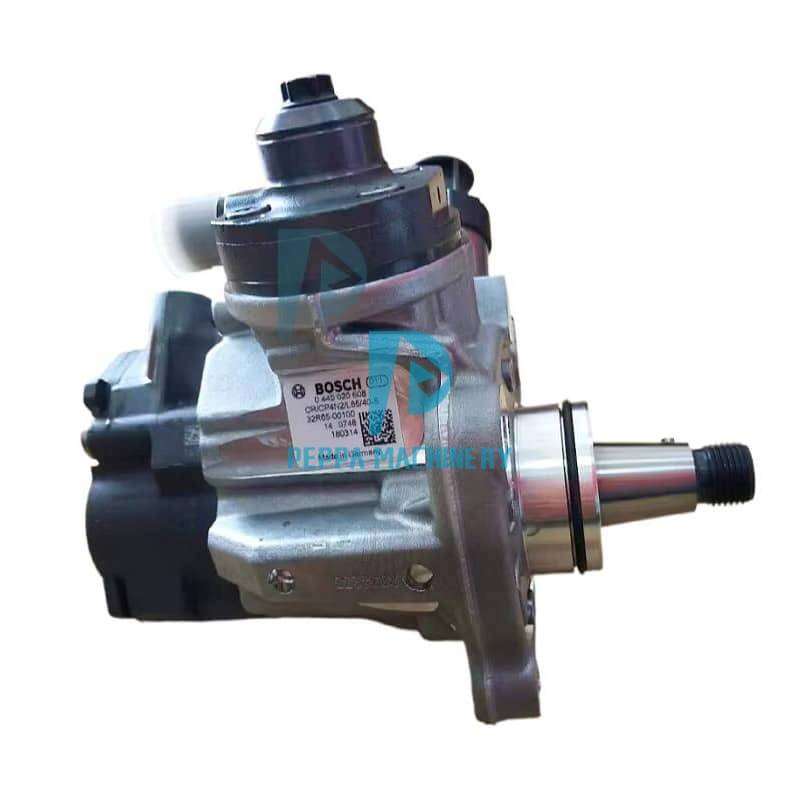
Diesel Fuel Injection Pump Assy 0445020608 32R65-00100 for BOSCH for Mitsubishi Engine in Construction Machinery Parts
Discover the reliable Diesel Fuel Injection Pump Assy 0445020608 32R65-00100 from Peppa Machinery, designed for BOSCH and Mitsubishi engines in construction machinery. This durable part enhances fuel efficiency and performance. Get your diesel fuel injection pump today!
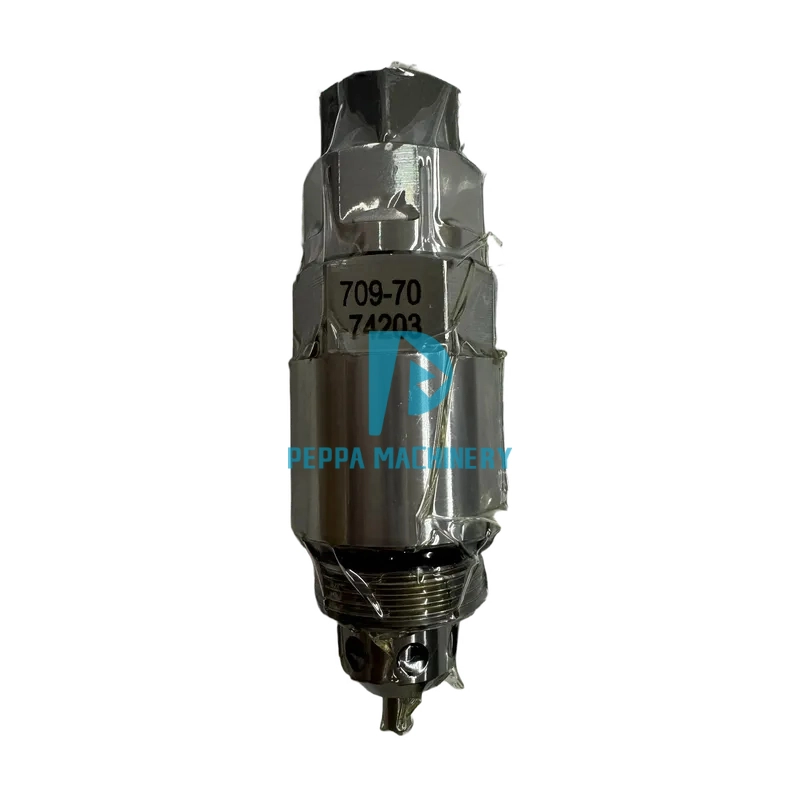
709-70-74203 7097074203 Relief Valve for PC200-5 PC200-6
Peppa Machinery’s Relief Valve PC200-5 PC200-6 delivers. Designed for durability and high performance, this Relief Valve ensures reliable operation in industrial applications. Ideal for efficient Relief Valve .

New for CAT 312D 320D Excavator Spare Parts 4343436 434-3436 221-8859 Metal Pressure Switch and Sensor
Peppa Machinery offers New for CAT 312D/320D Excavator Spare Parts — Metal Pressure Switch & Sensor 4343436 / 434-3436 / 221-8859. Durable, precision OEM-fit replacement with fast shipping and warranty. Buy genuine CAT parts now.

Reliable Source for Quality Excavator Components.
Follow Us
Our Partners


Our Payment Methods


 High Quality
 7/24 Service
 Guaranteed Warranty
 Scan QR Code
Facebook
TikTok
YouTube
Pinterest
Twitter